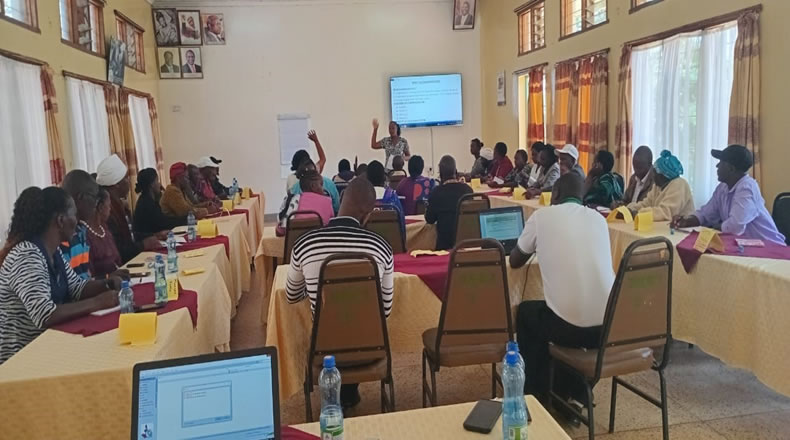
Sustainable Ecological Agriculture (S.E.A)
SACDEP approaches S.E.A through the 4 principles and 7 pillars as below:
Sustainable Ecological Agriculture
SACDEP approaches S.E.A through the 4 principles as below
Principle No.1:
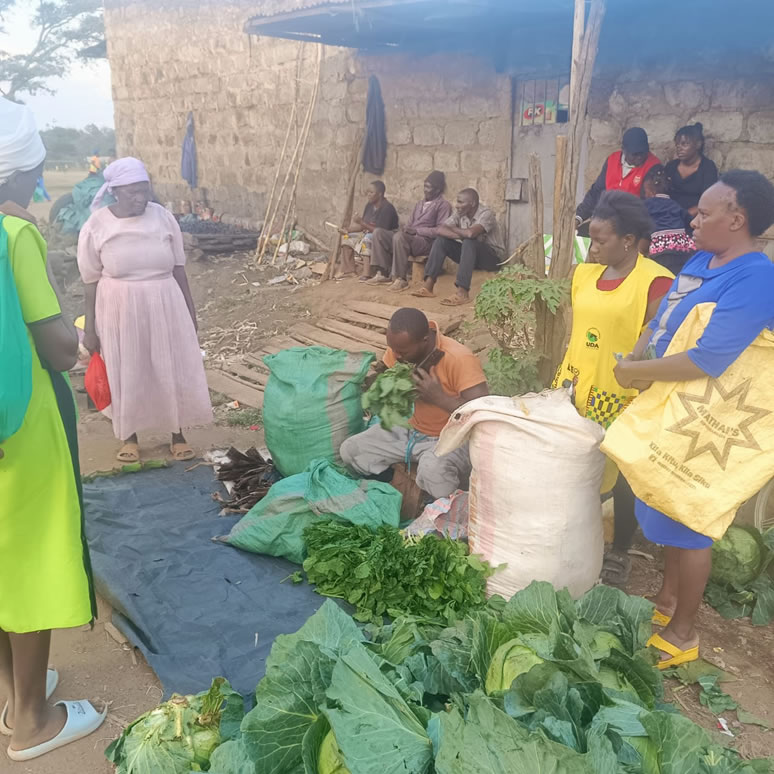
Economic Feasible
Agricultural enterprise carried out by farmers has to be economically feasible. Inputs versus the outputs relationship
Principle No.2 :
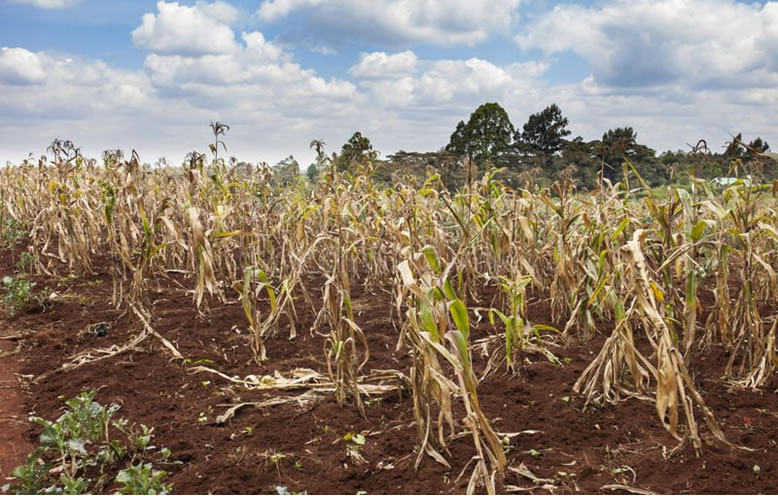
Environmental Friendliness
Agriculture operates in environmentally driven ecosystems. Indeed, over 90% of agriculture thrives or fails based on the environmental factors surrounding production locations. Hence, production sustainability is dependent on environmentally friendly action factors.
Principle No. 3 :
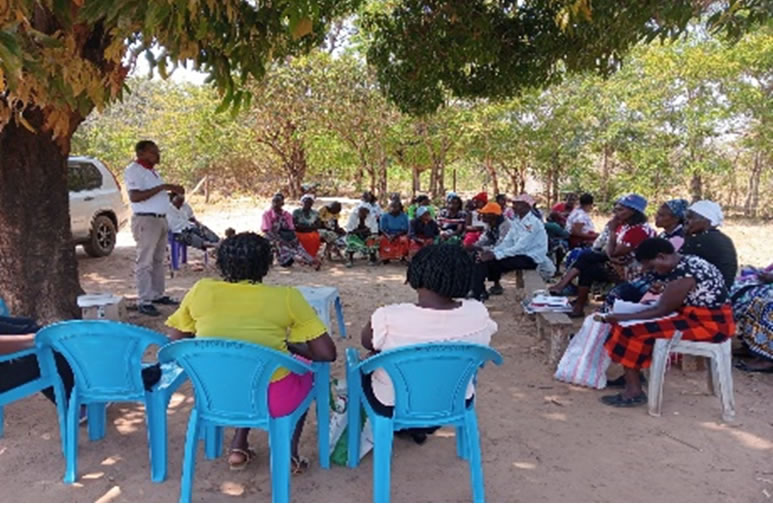
Social Justice.
Agriculture operations have to be guided by social justice. Due to their vulnerability, communities have to produce, add value and market products. Such interactions to follow social justice in order to expand and maintain social synergy.
Principle No. 4
Cultural Acceptability
All agriculture project designers and implementers have to recognize, appreciate and utilize community cultural and traditional norms
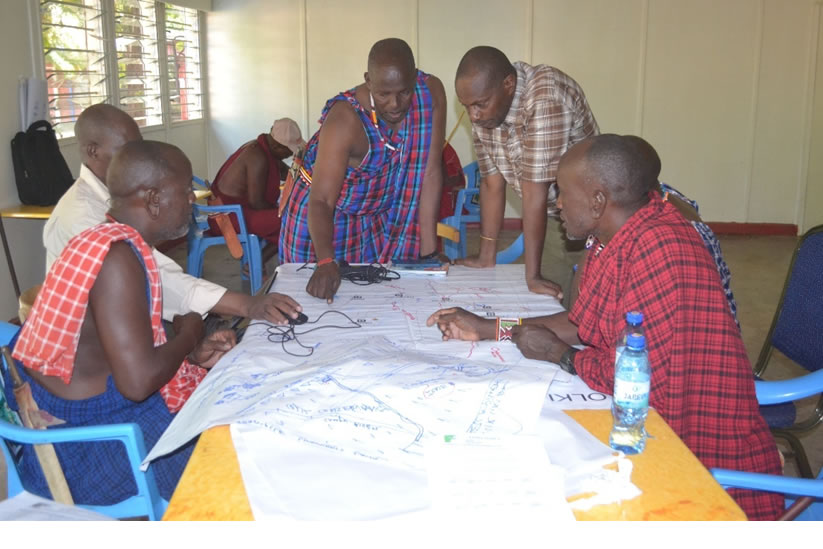
THE PILLARS OF S.E.A
Pillar No. 1 :
Harnessing Social Capital
Farmers and indeed rural populations are vulnerable to low food availability, incomes, health and general economic shocks. To mitigate against such, the people have to join and operate as organized groupings.
SACDEP terms the benefits as SOCIAL CAPITAL
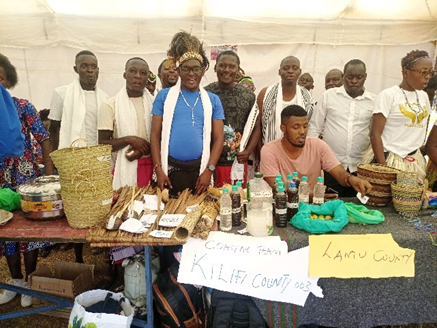
Pillar No. 2:
Using Locally Available Resources
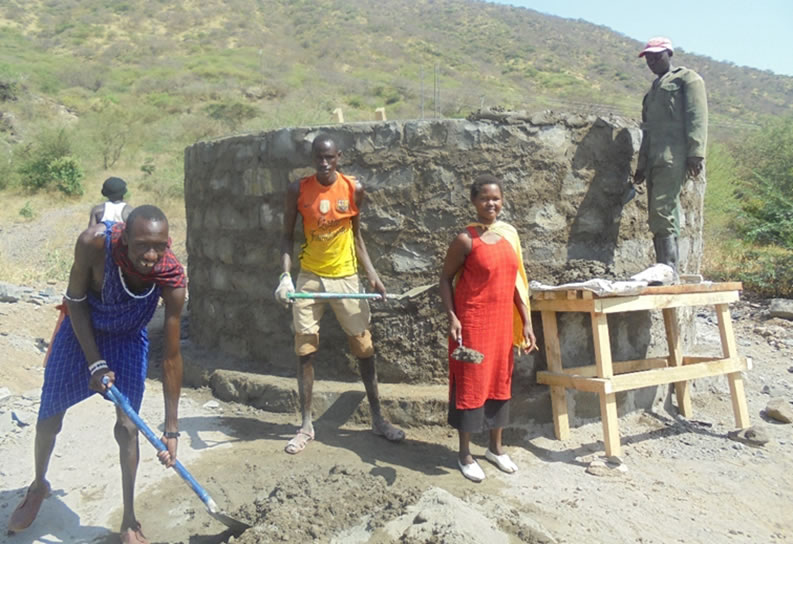
In water
Communities have adequate local resources in their localities. External inputs are catalysts usable to speed up development processes.
Local resources are to be catalysed by externally sourced materials and skills
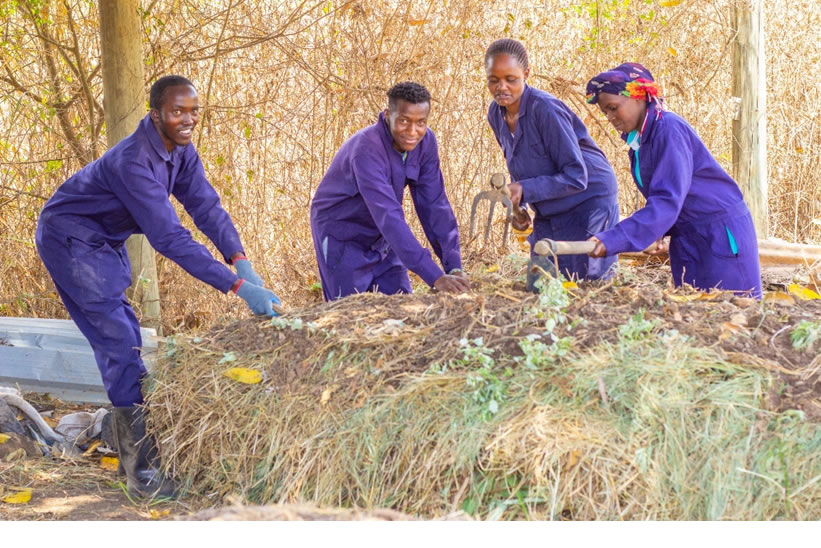
In Natural Soil Fertility
In the cropping sector, farms have a huge resource. Within the soil fertility, farmers make biological fertilizers. Low cost, environmentally friendly and at timely obtainable. In comparison with imported synthetic chemical fertilizers.
Wildlife is an important resource for communities alongside livestock. Benefits from wildlife is as important as in livestock.
Hence need to harness wildlife resources as a community enterprise

Pillar No. 3:
Local Financial Resources
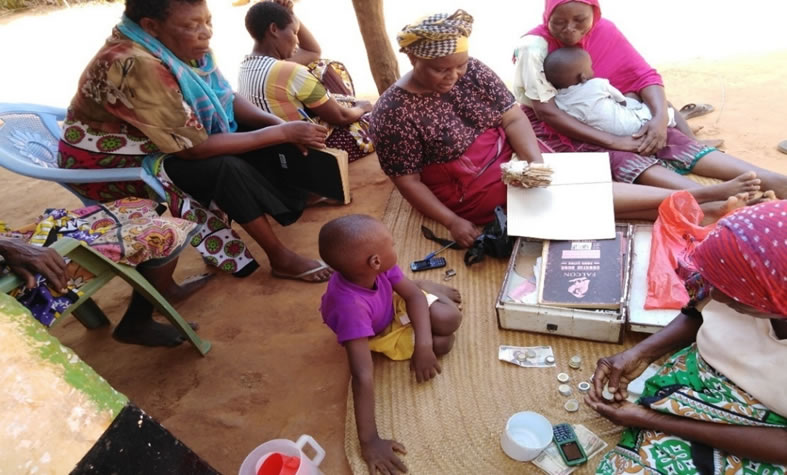
Farmers have to set up and use Rural Savings and Loan Schemes. In SACDEP, they are known as Banks without walls or in short BWWs.
Pillar No. 4: Use of Renewable Energy Sources
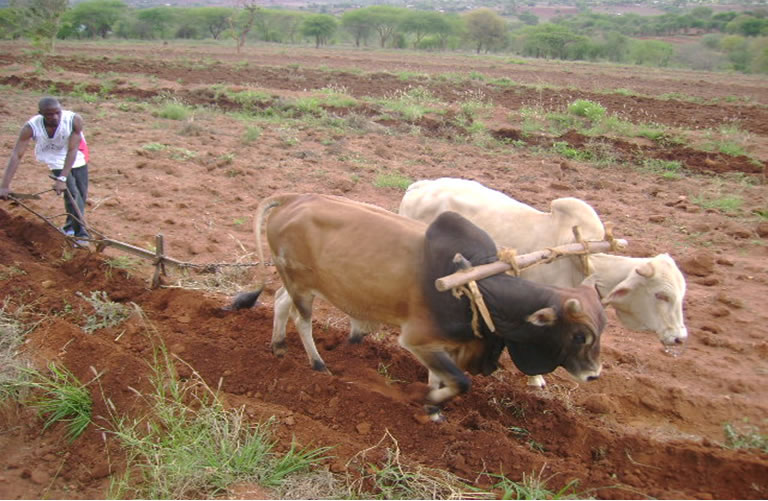
In land preparation
Farmers and rural operators have renewable energy in animal-drawn power.
The power is used for ploughing, lighting, cooking, water pumping, transportation e.t.c
In cooking and lighting
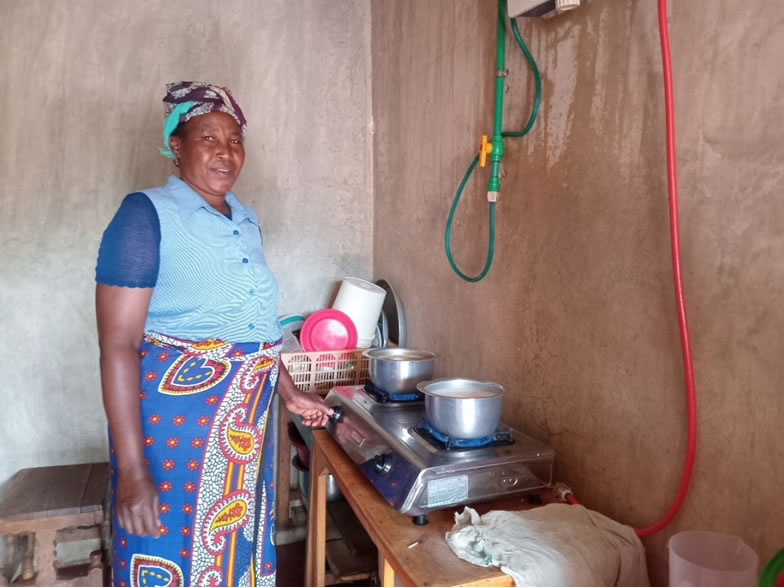
In farms and their surroundings, there is plenty of vegetation. Other sources of biomass are animal manure. Such can be digested on the farm to produce Biogas for cooking, lighting and driving light mechanical equipment.
Pillar No. 5:
Changing farm produce by conserving, value addition and marketing.
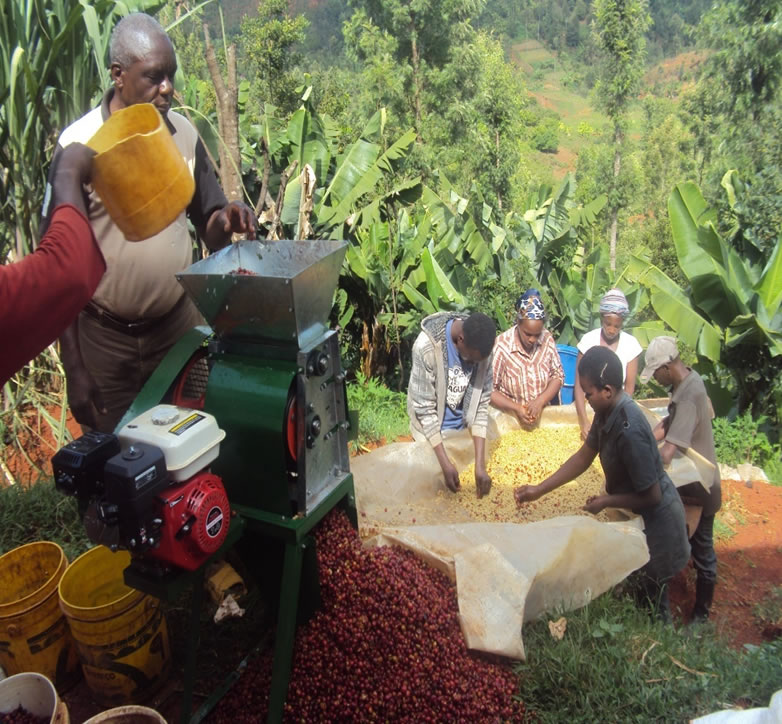
Single small and medium-scale farmers have the disadvantage of obtaining enough produce for the market. This is needed in order to benefit from the economies of scale.
Producers have to add value to farm produce and market in a co-operative structure.
In SACDEP, communities are enabled to process and sell using a community-led cooperative union.
Pillar No.6 :
Policy Reviewing and Participation
Farmers have to be key players in policy formulation in sectors that affect them directly or indirectly. To be also key participants in policy reviewing, influencing, formulation and operation.