Programmes And Projects
Ongoing projects and Activities
The organization is structured to implement programmes, Projects and initiatives through Sectors/ departments as shown below;
SECTOR: COMMUNITY AGRICULTURE PROGRAMMES – CAP
The sector implements a variety of projects that reach on average 12,000 farming families annually. The sector is currently implementing initiatives in 14 Counties in Kenya.

Project Title: Water Livestock and Market Gardening – WLG phase 8 Project.
The project has been running for 32 years (1993 – 2025)
Counties covered:
Murang’a, Embu, Kitui, Laikipia and Kajiado
So far 47,659 families have been reached
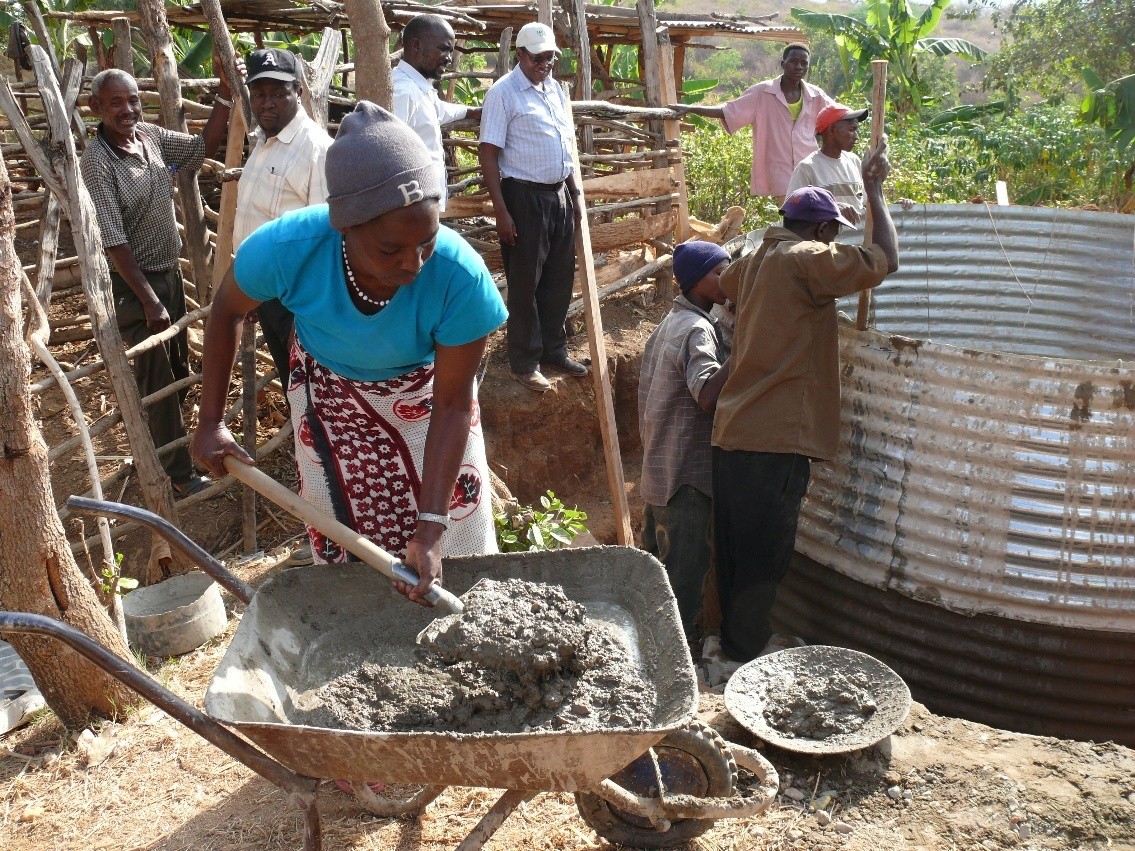
The project involves families practical training in water harvesting – Roof catchment and Water pans
Others are underground tanks and sand dams. So far 2,006 roof catchment tanks have been completed, funded by communities and SACDEP
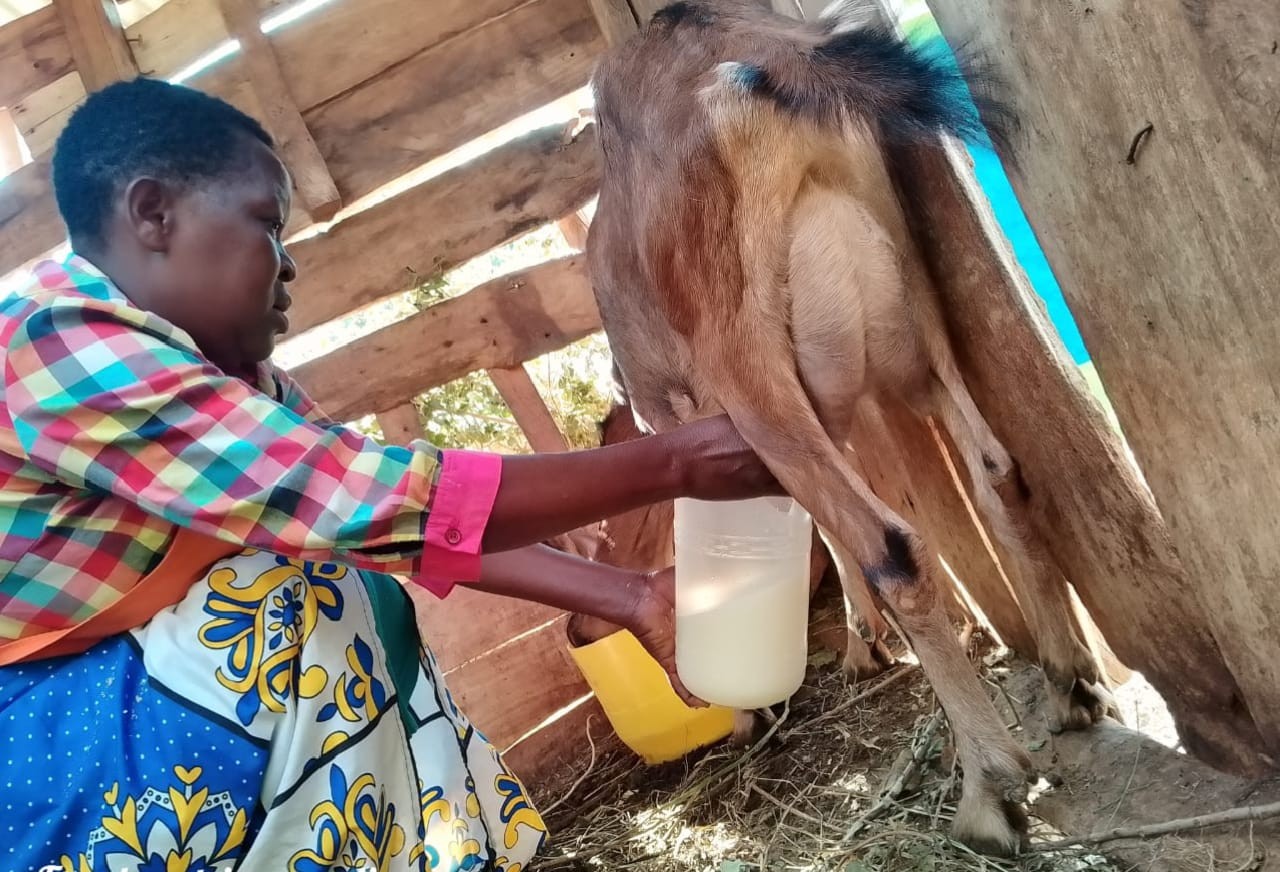
In the livestock sector, the project enables the farmers to implement highly profitable agribusiness.
4,563 farming projects in dairy goats are under implementation.
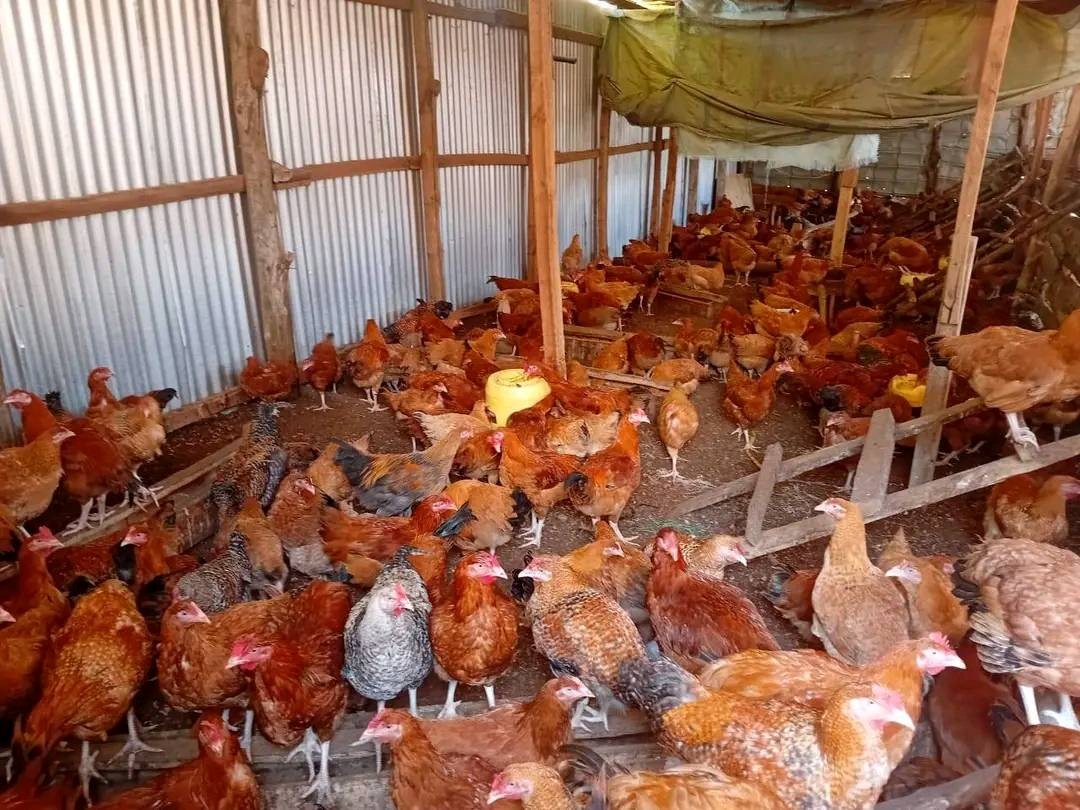
Others are rising of indigenous poultry, 17,050 farming families have got support in poultry sector.
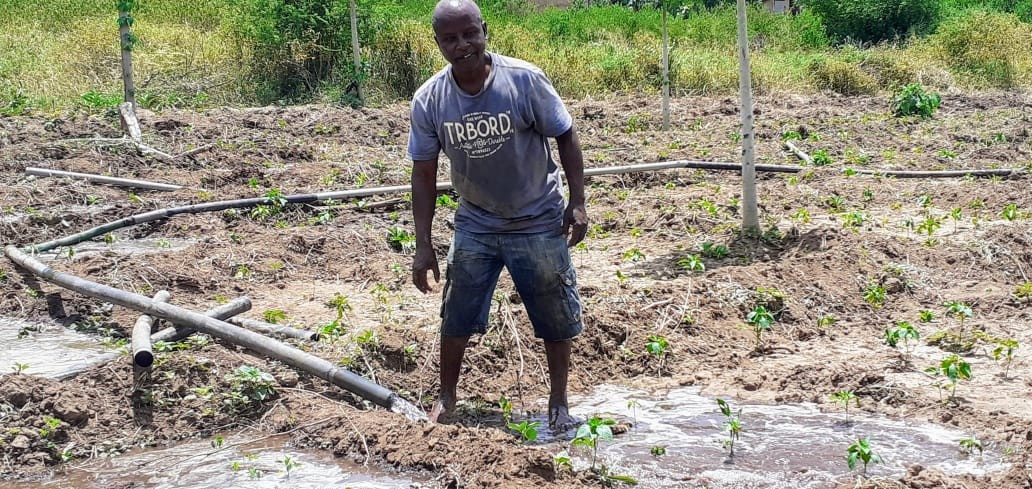
The WLG project has a big component of enabling farmers obtain food and cash from market gardening. The project is benefiting 12, 391 families as at 2025.
The production systems are supported by farmer-led irrigation systems known as Wenyewes in SACDEP
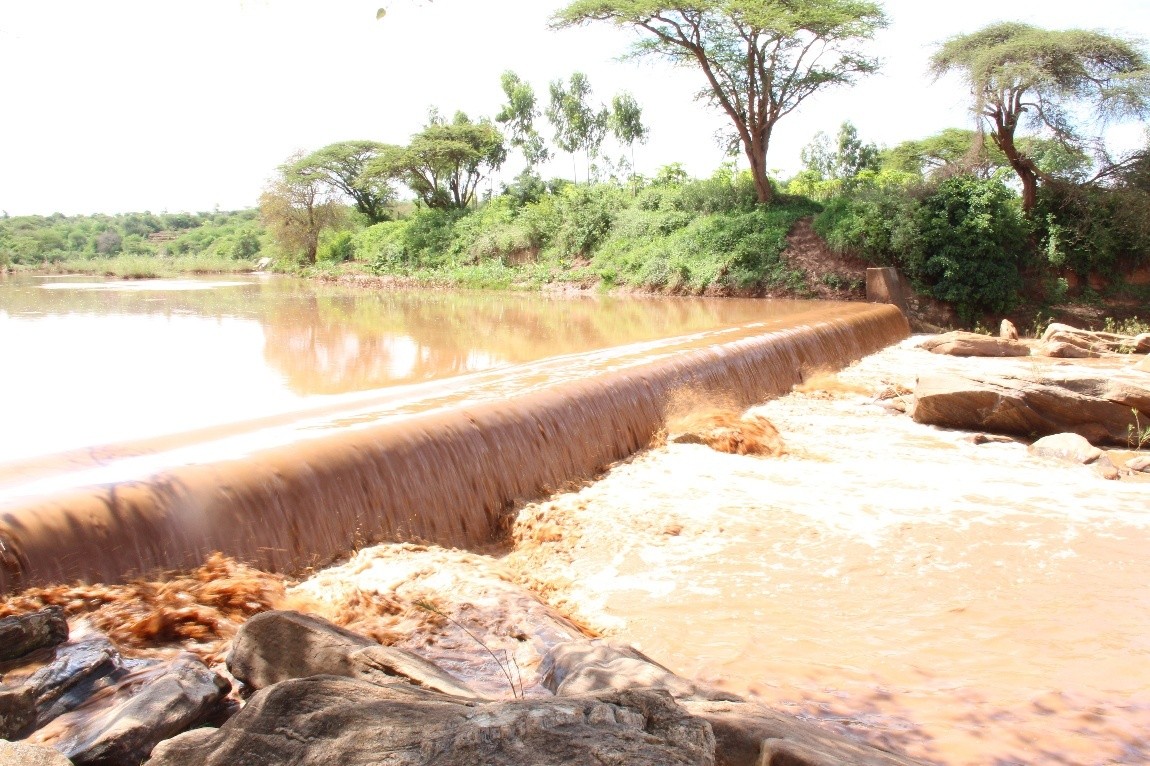
In drylands, the project enables villages construct and manage Sub – surface sand dams
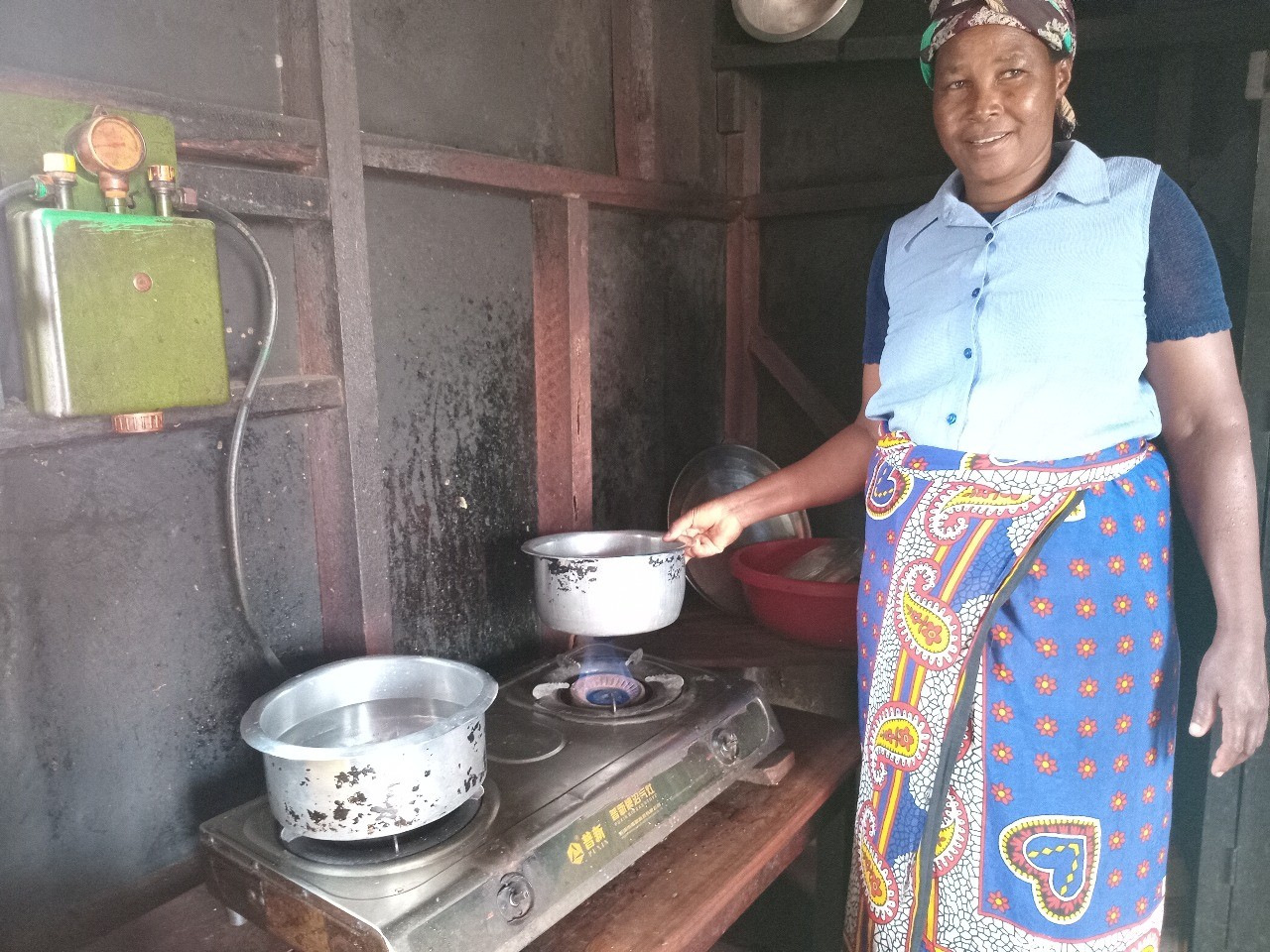
In energy, the WLG 8 project trains on the production of Biogas Digesters
Project Title: Maasai Land Value Enhancement Project – MALVE II Project.
Counties covered: Kajiado
In the drylands of Kajiado County Group Ranches are supported to increase productivity from their land.
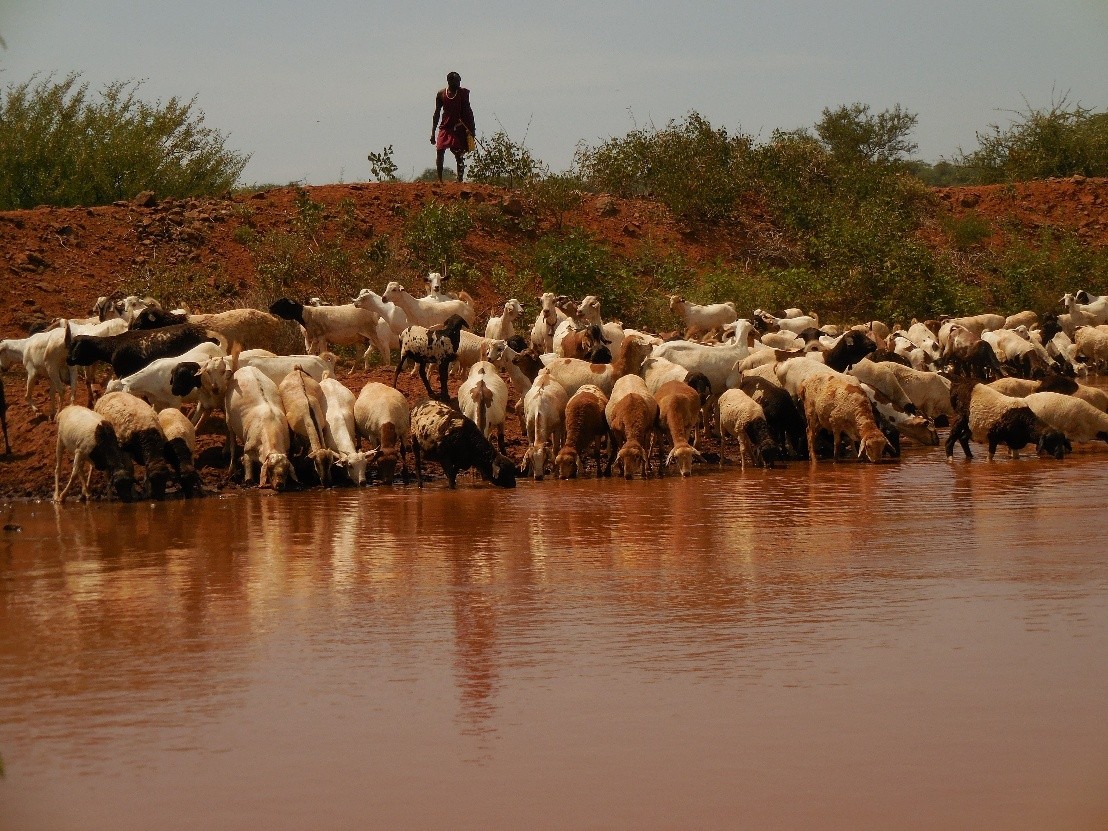
Water harvesting using water pans is a major project. So far 6 water pans have been implemented in the following group ranches:
- Rombo
- Olgulului
- Torosei
- Olkeri
- Shompole
- Olkiramatian
Group ranch members are provided training on how to produce high quality beef animals.
Through breed selection, breeding and high level animal husbandry to produce high quality beef
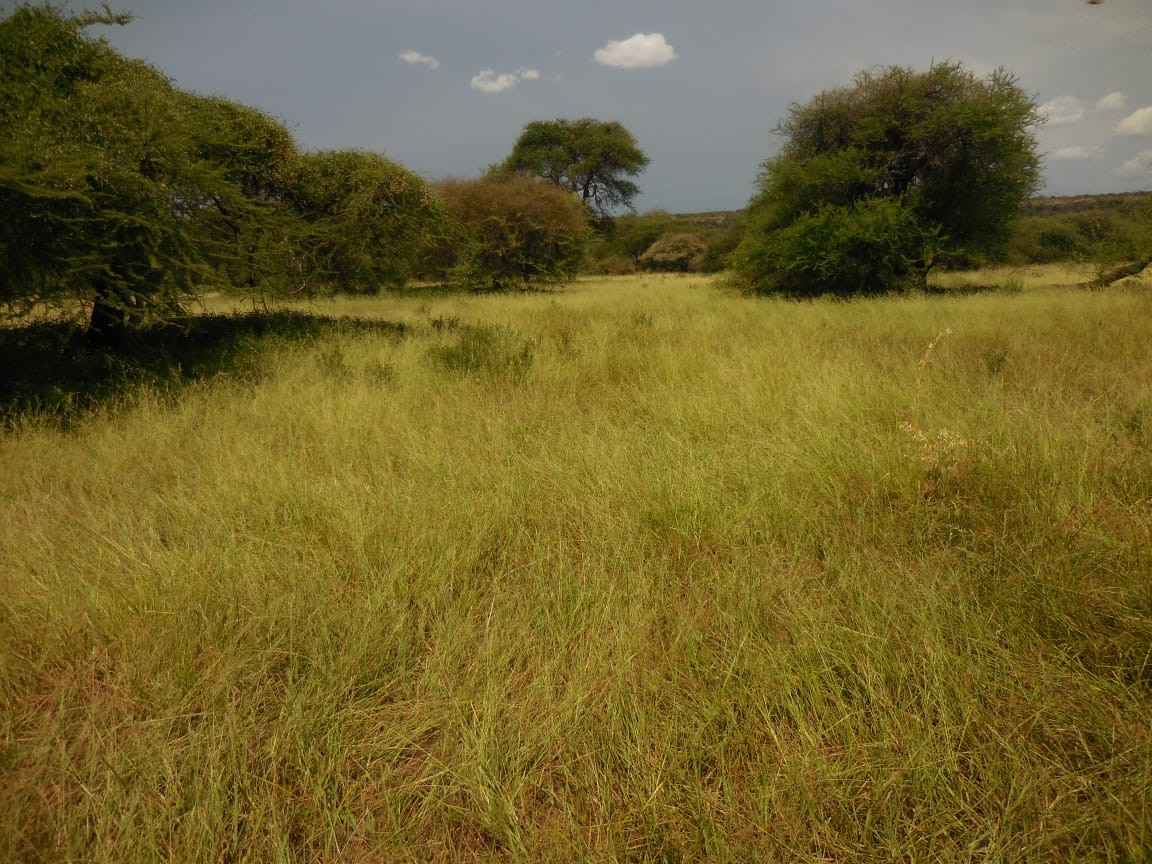
Still in the MALVE project, the grazers are enabled to re-seed grassland, produce more grass feed and manage grass banks for use during droughts.
In Olkeri Group Ranch 879 hactares of grass are conserved after every rainy season. This feed is able to feed 5200 head of cattle when drought strikes.
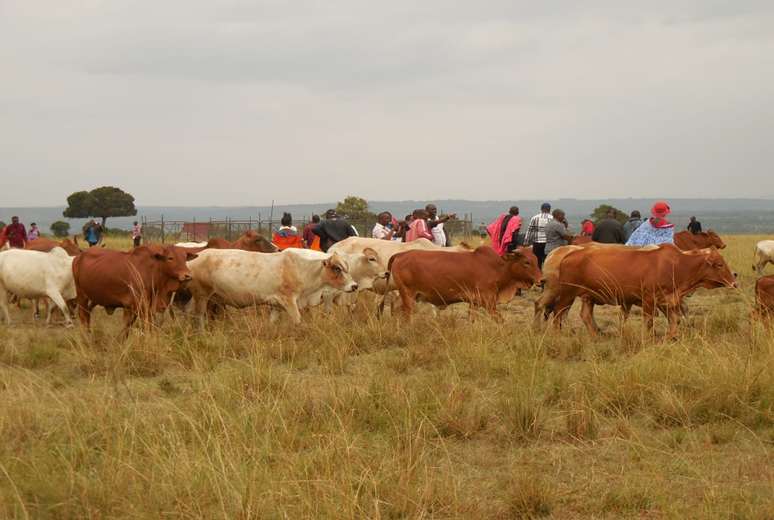
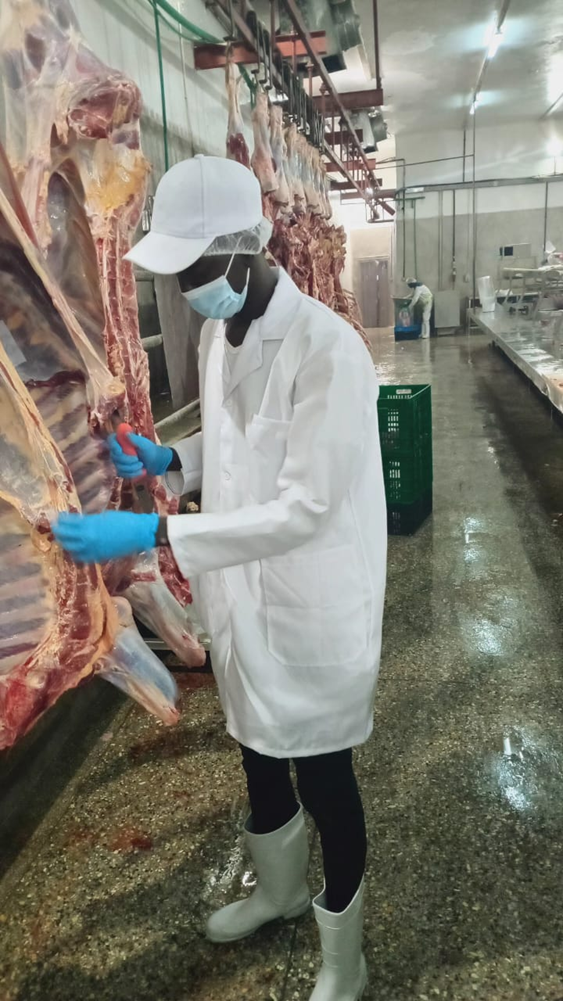
Upon successful increment of livestock productivity, the graziers are enabled to increase their incomes. This is done through running own slaughterhouses and meat sales to urban areas.
3 Slaughterhouses have been implemented.
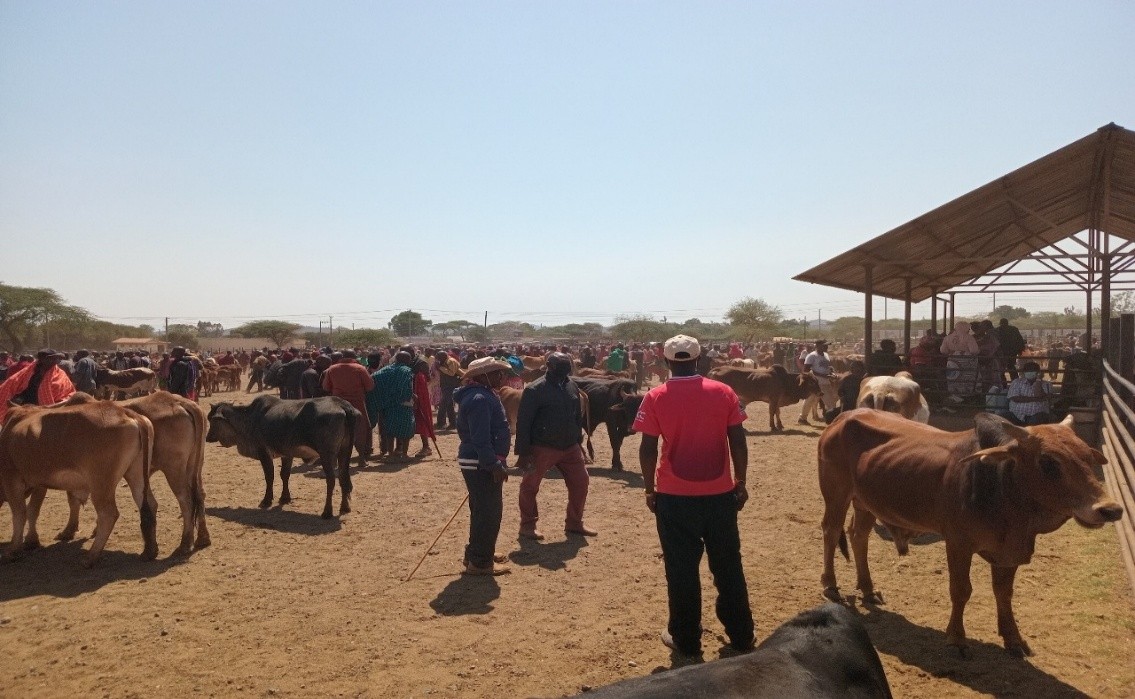
For live cattle, communities market them using weighing equipment (weigh bridge). Animals are sold at weight rather than the traditional visual assessment and visual costing
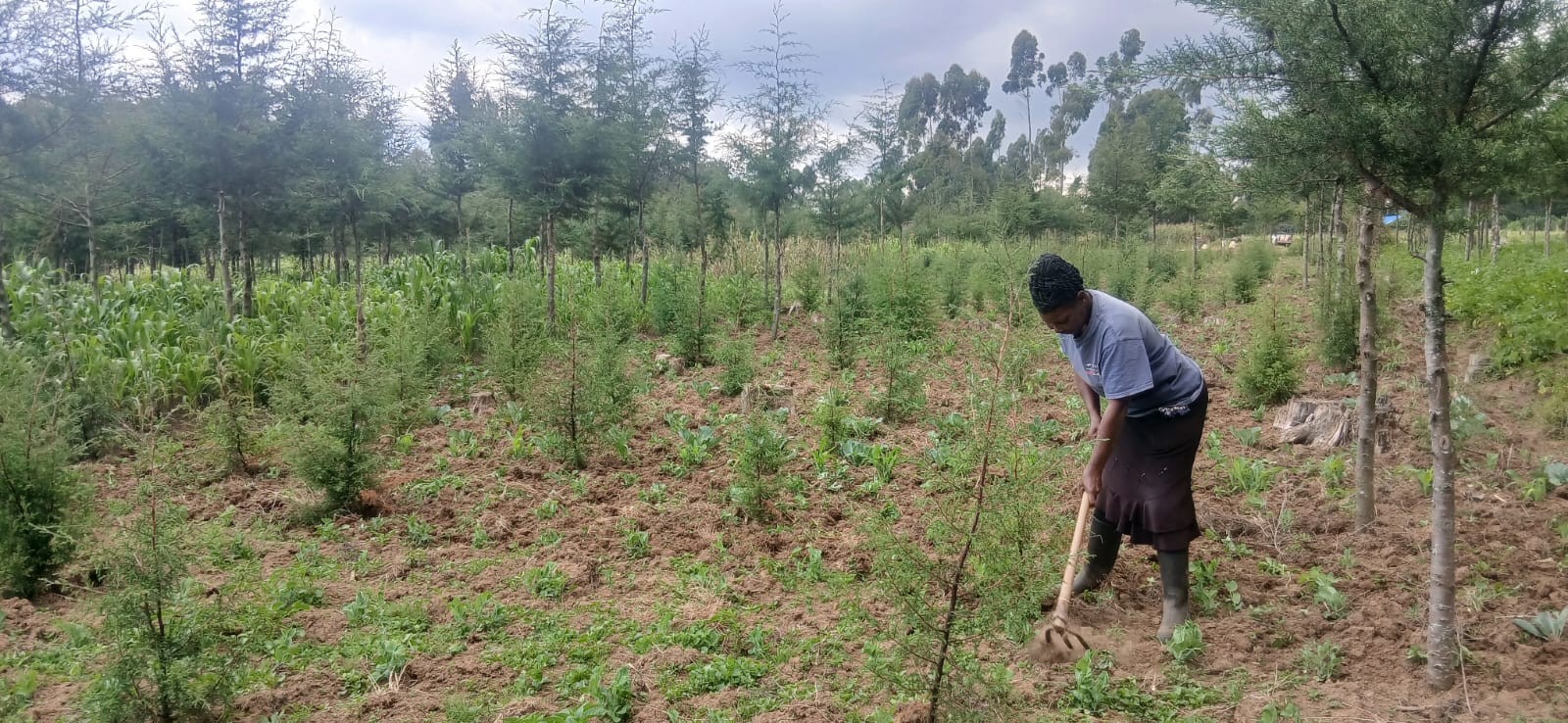
PROJECT TITLE: TREE GROWING FOR ECOSYSTEM AND LIVELIHOOD IMPROVEMENT.
Counties covered: Kitui, Murang’a, Embu, Kajiado and Laikipia
The world is currently under threat from the negative effects of climate change. The effects have dealt a big blow to agricultural productivity. To counter this phenomenon reforestation is key. Hence the project on tree growing in which currently has enable growing of 864,800 trees in 7 agroforestry farms and 7 forest sites
PROJECT TITLE: LAMU ORGANIC COTTON PROJECT. – LOCP
Counties: Lamu, Malindi, Kilifi and Tana River.
Organic Cotton Production Project
In the coastal region, over 90% of the communities have low household incomes below 2 USD a day. They are dependent of subsistence farming.
This project enables them improve incomes while naturing the natural resource base.
Organic cotton is a major income earner reaching 15, 864 families by 2025
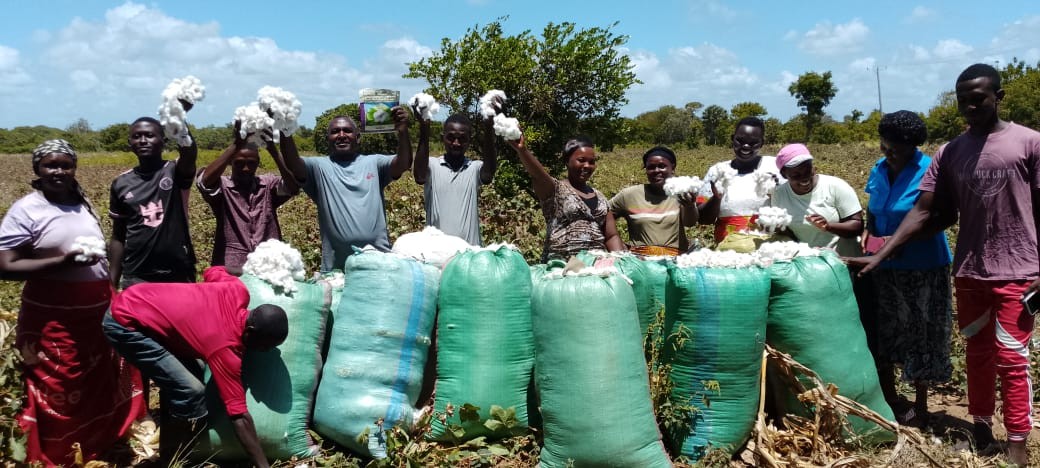
The project also enables training in:
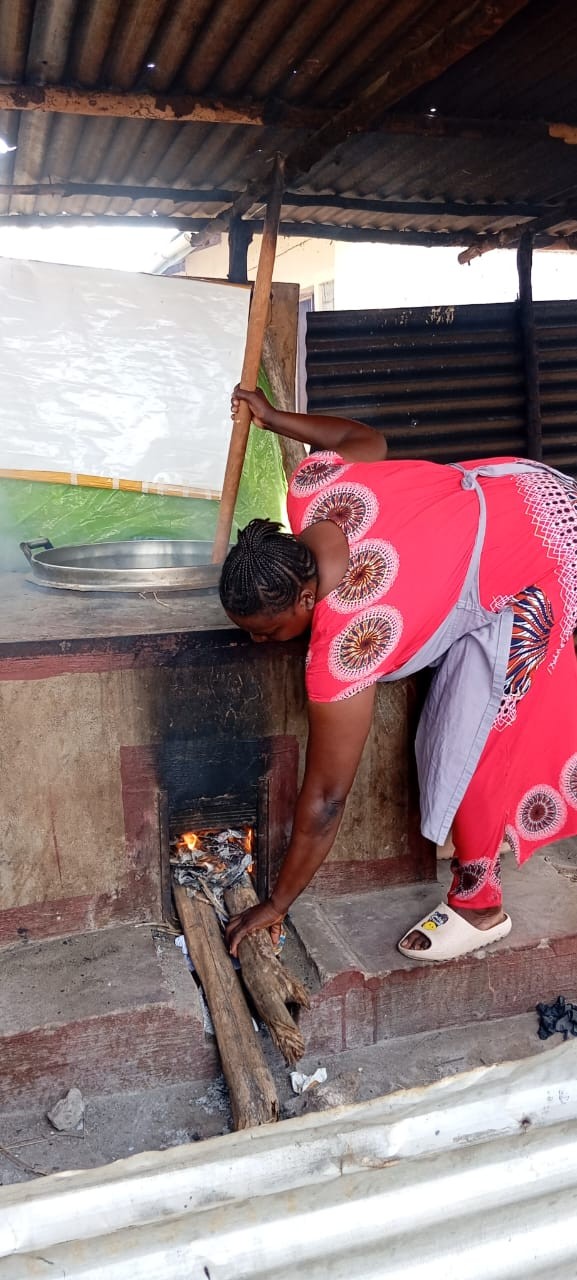
Use of renewable energy for communities and schools is an enabler in the efforts to reduce deforestation. Further, to increase vegetational increment in the landscapes of the Tana Delta. Region rapidly under pressure from degradation of vegetational Natural Resources. To reduce vegetational degradation, technology provided is in energy conserving cooking stoves
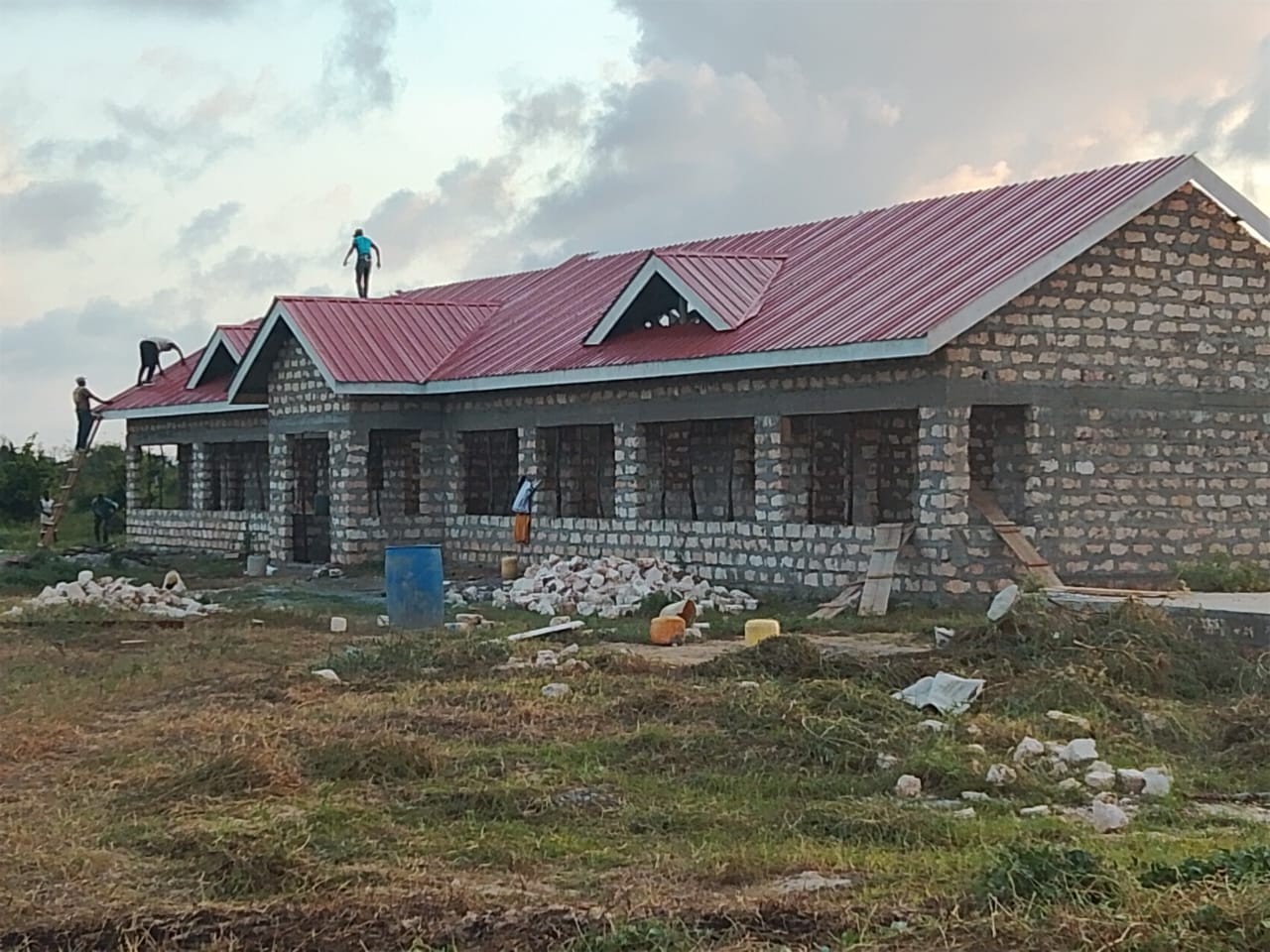
Youth In the coastal region of Kenya face over 70% of jobless youth. To turn around this situation, SACDEP is constructing a youth skills development center in Kazuhoni village, in Malindi Sub-Couty
Project Title: Coastal Fruits, Nuts and Livestock – CFNL Project.
County: Kilifi
Still in the coastal region, Kilifi County suffers huge joblessness status. To reduce unemployment, SACDEP enables the youth get self-employment Fruit and Nut cottage industries are in operation.
So far 9,140 youths are improving their lives through increased incomes.
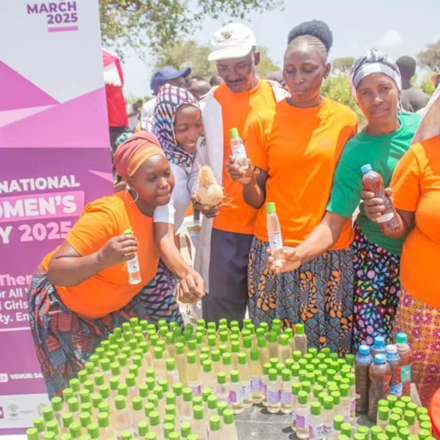
Youths are trained in value addition by making and selling coconut oil
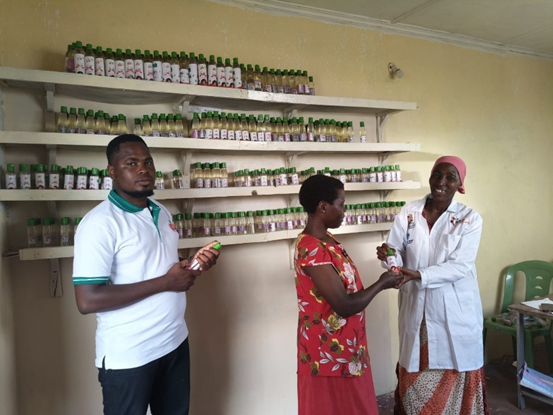
Youths groups are implementing programmes in fishing, value addition and marketing of fruits and nuts
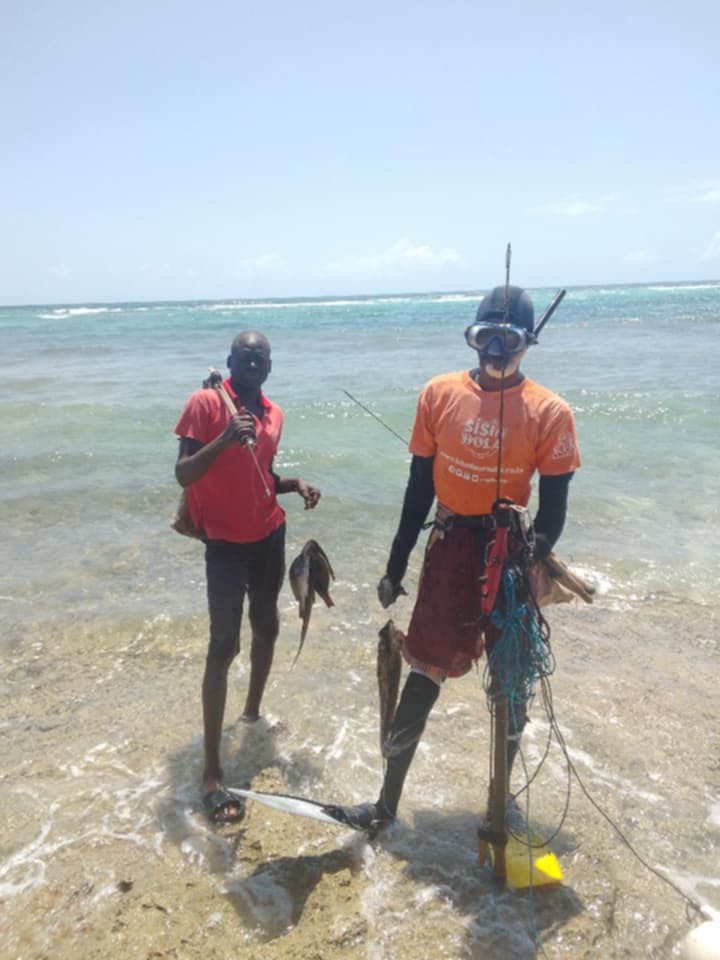
Deep sea fishing is supported by SACDEP which provides fishing equipment.
The fisherfolk is also provided with a landing ground at SACDEP’s center at the shores of the Indian ocean
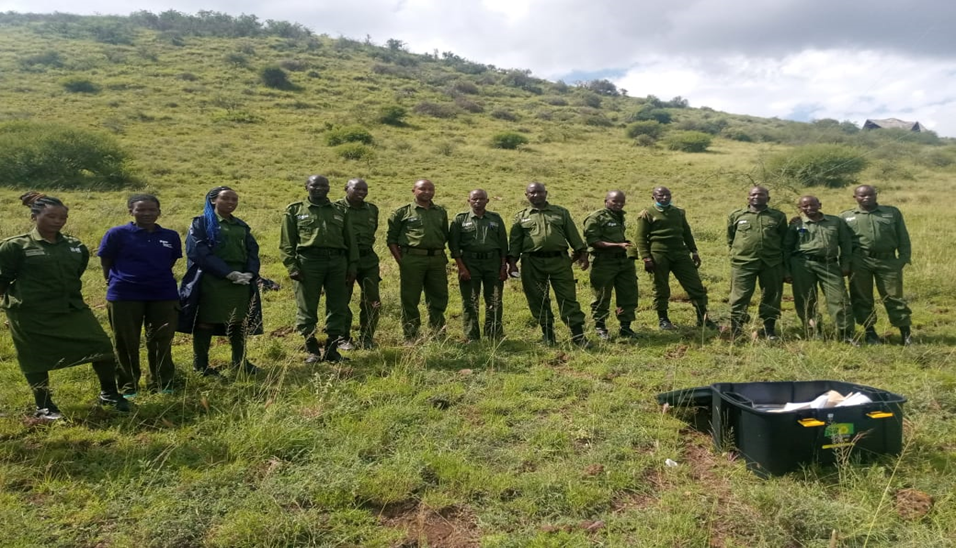
Project Title: Community Game Rangers Capacity Enhancement for Sustainable Wildlife Conservation Project – Rangers Project
County: Kajiado & Laikipia
The Maasai community has a cultural and traditional belief that wildlife is a God given resource. They therefore live and protect Game alongside their livestock. Though they get little economic returns from wildlife, they continue absorbing losses caused by wildlife in competition for water and forage. Further loses are from injuries and death caused on humans and livestock.
This project aims at enabling the communities obtain benefits from community led Eco-tourism. Hence provide morale for the herders to manage the wildlife resource alongside livestock.
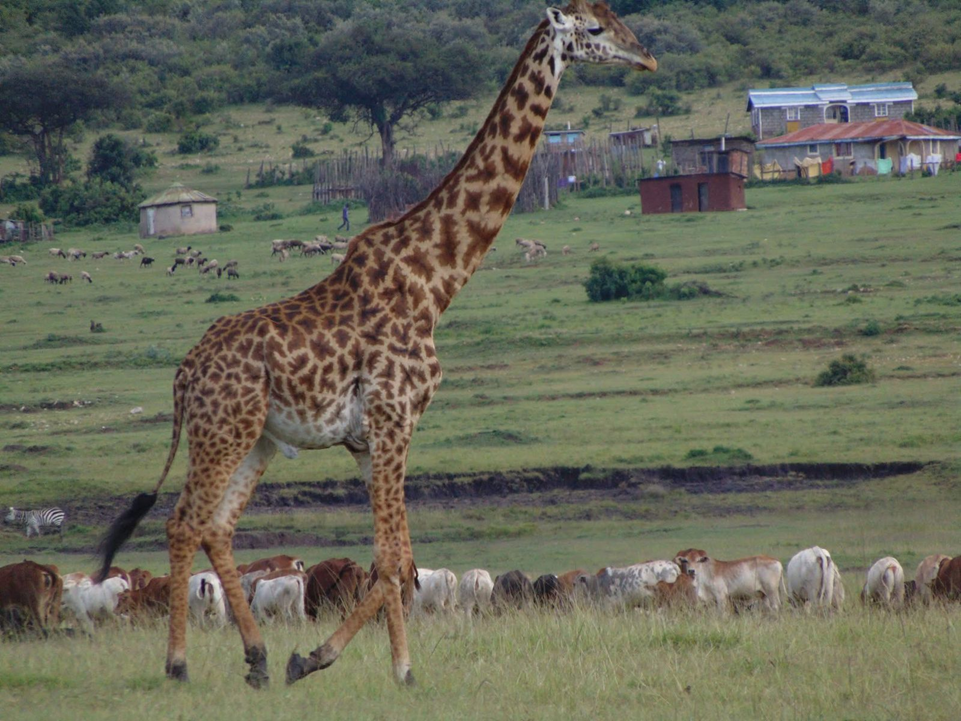
In the Rangers project, SACDEP provides game protection by empowering the community Game Rangers and Scouts. They are provided with transport and surveillance equipment
Project Title: Lusoi Hill Forest Rehabilitation and Environmental Conservation Education Project
A training programme title: Schools And Youth Environmental Conservation Action – SAY-ECA
Youths in Schools and colleges environmental conservation in action. Training venue is Lusoi Hill rehabilitated forest site in Laikipia East. SACDEP started rehabilitation of the bare forest site in 2014.
Today year 2025, 2,400 youths have undergone the SAY-ECA education programme held at the Lusoi Hill site
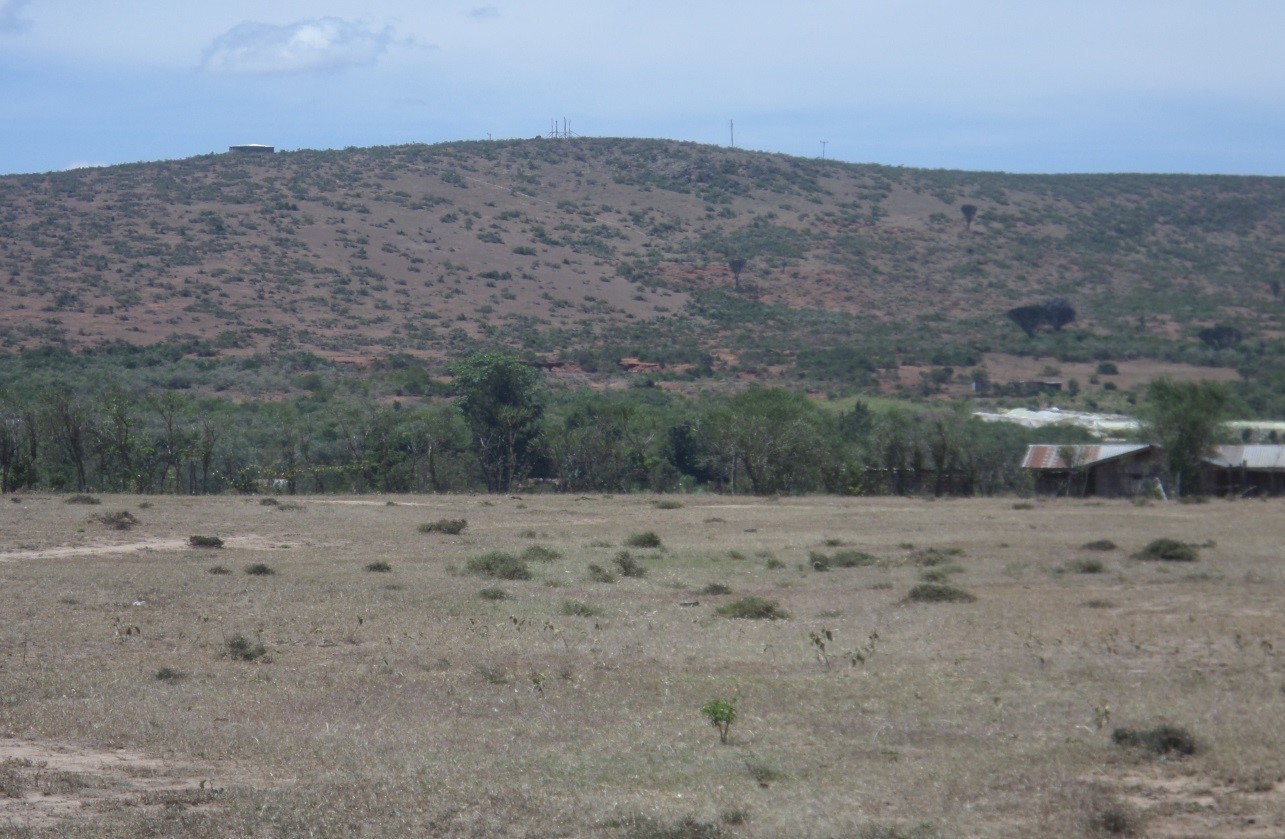
Lusoi Hill by the start of rehabilitation
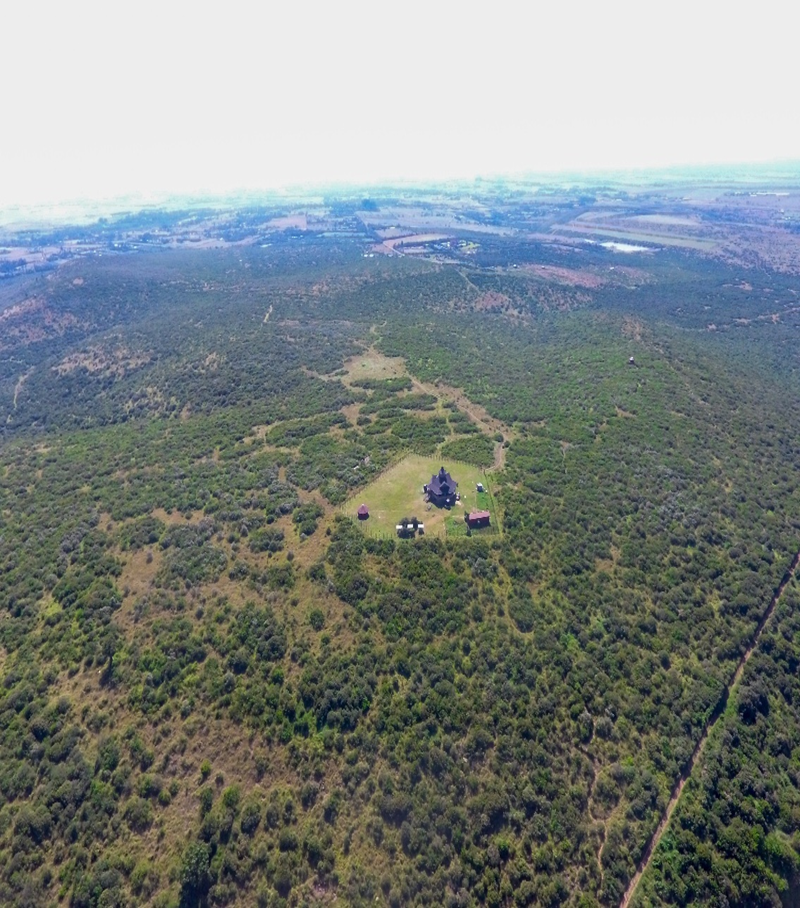
Lusoi Hill by year 2025
Following 11 years of rehabilitation, the forest site of 259 hectares has now obtained a vegetation coverage from 0.1% to the current 51.06%.
The adjacent Community Forest Association (CFA) communities with the support from Kenya Forest Service (KFS) and SACDEP have proven the people’s ability that a damaged forest can be rehabilitated. Then used as a training aid for Youth and other organized groups.
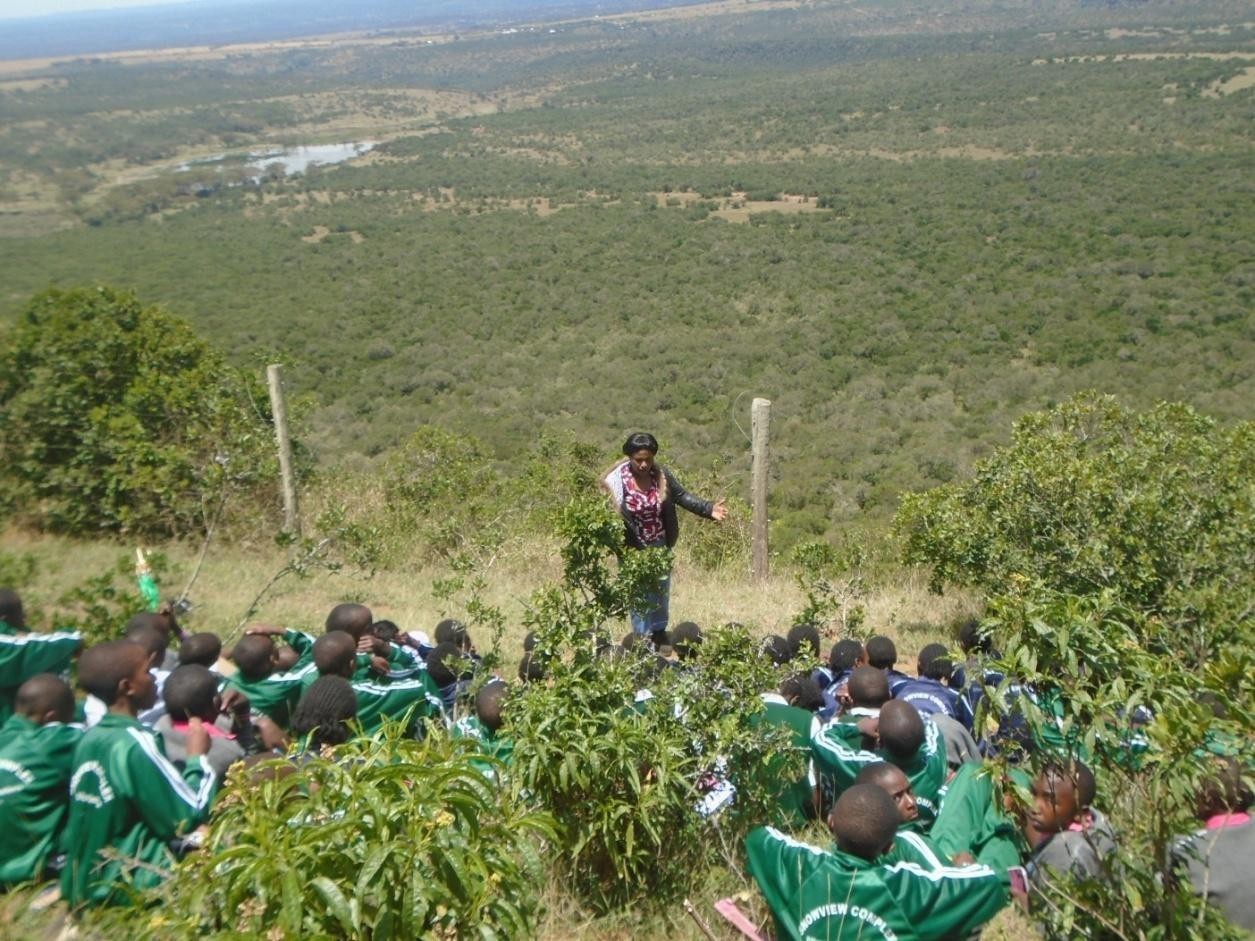
Students and youths attend day release to learn from the community and the youth training resource center on top of Lusoi Hill site.
On Lusoi Hill, youths get day long education on Environmental protection, Nature Conservation and the wider issues of climate change.
For job creation, youth and communities get practical training on use of Ecosystem services for enterprise development.
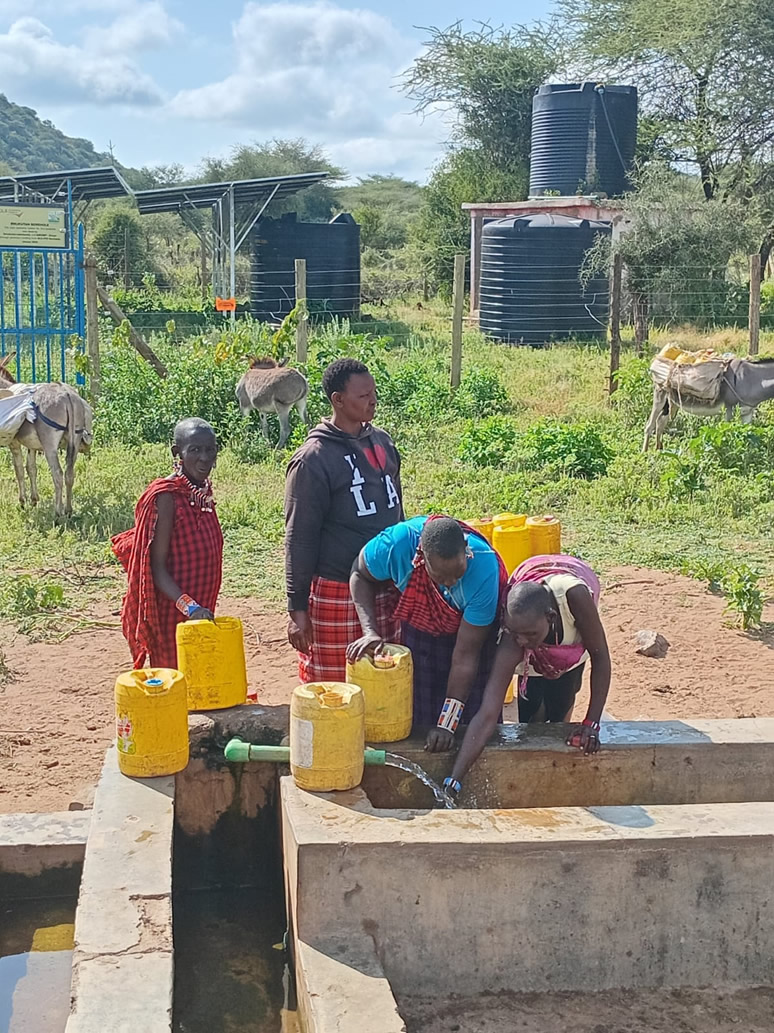
Project Title: Water pumping solarization project.
SACDEP has enabled communities with sinking boreholes For pumping, The people have been using diesel engine power.
At the moment the locations are being enabled to convert from fossil fuel to use of solar power. Use of renewable energy is Pillar 4 in Sustainable Ecological Agriculture – S.E.A
So far 11 Solar water pumping systems have been implemented and are strengthening 3,492 families
In terms of water access for domestic use
The water availability has enabled an increase of human health, crops, livestock and reforestation
Project Title: Organic Herbs project
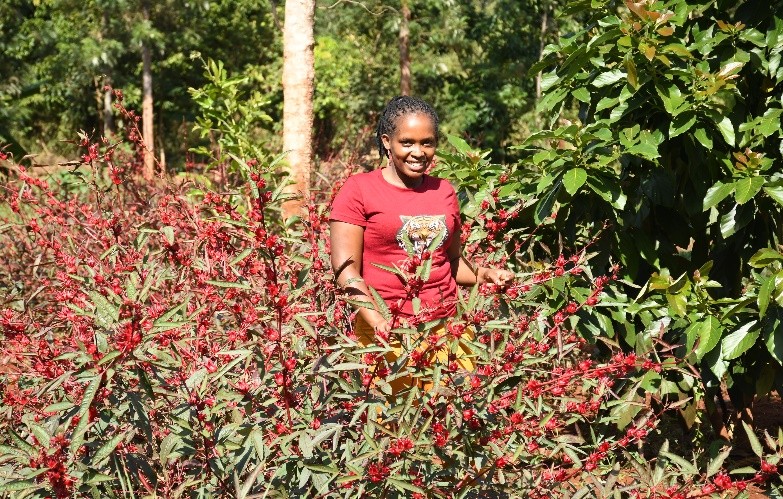
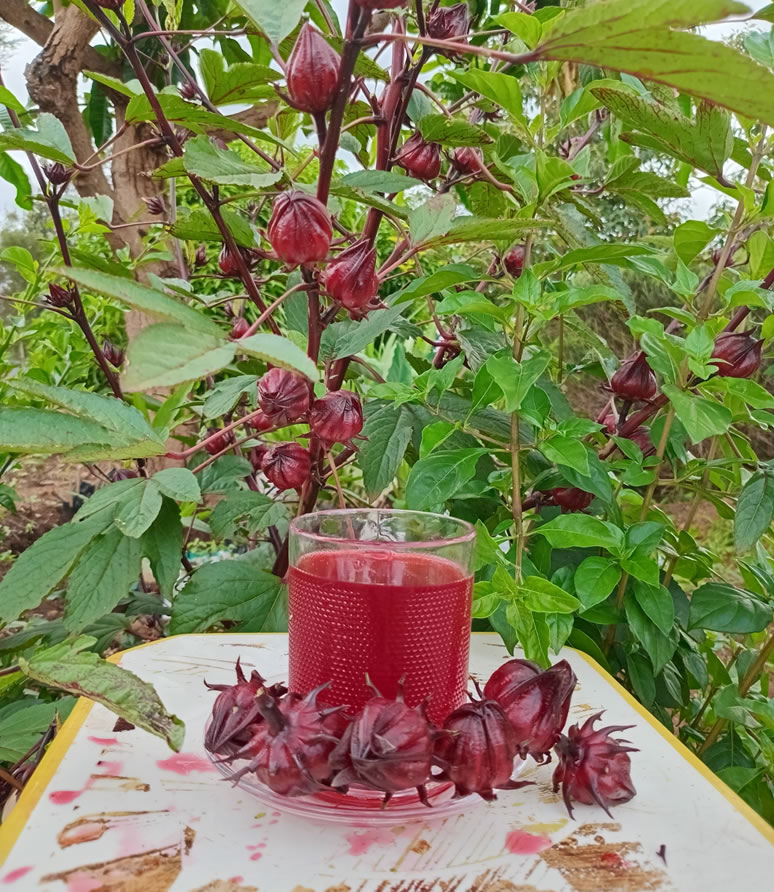
Counties: Kajiado, Kitui, Embu, Laikipia and Murang’a
The communities, especially in drylands always face challenges in dryland rainfed farming. Herbs require low levels of rainfall. They are able to provide the farmers with low cost production while offering high value sales
PROJECT TITLE: MANGOES FROM ABOVE V (MFA V)
Counties: Kirinyaga, Nyandarua, Laikipia and Taita Taveta
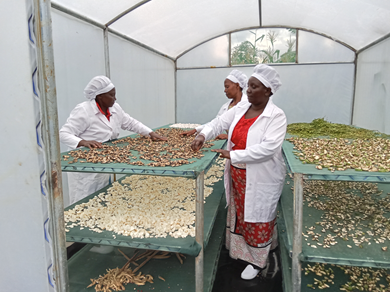
Among the pillars of S.E.A is to enable farmers add value to produce. This is done through changing form. Packaging and selling. Rural cottage industries are used to achieve processes products for the market.
The MFA V project has run for 18 years by 2024. By early 2025, the project had helped improve incomes for 10,239 households in 4 Counties
SECTOR: TECHNICAL TRAINING AND RESEARCH TTR
SACDEP Kenya has been working with farming communities for the past 31 years. At the clocking of 20years, the organization formed a programme to upscale the S.E.A technologies beyond SACDEP’s direct reach to families. The idea was implemented by having a training curriculum. Then implement it among youth in a Sustainable Agriculture college. The college of Sustainable Agriculture for East Africa opened and started training in the year 2019. So far 20 by year 2024 graduates have obtained employment in S.E.A farms, companies and training institutions as at December 2024

College of Sustainable Agriculture for East Africa – CSAEA College.
Location: Kilimambogo Thika East Sub-County in Kiambu County
The college is based in 17 Km East of Thika Town
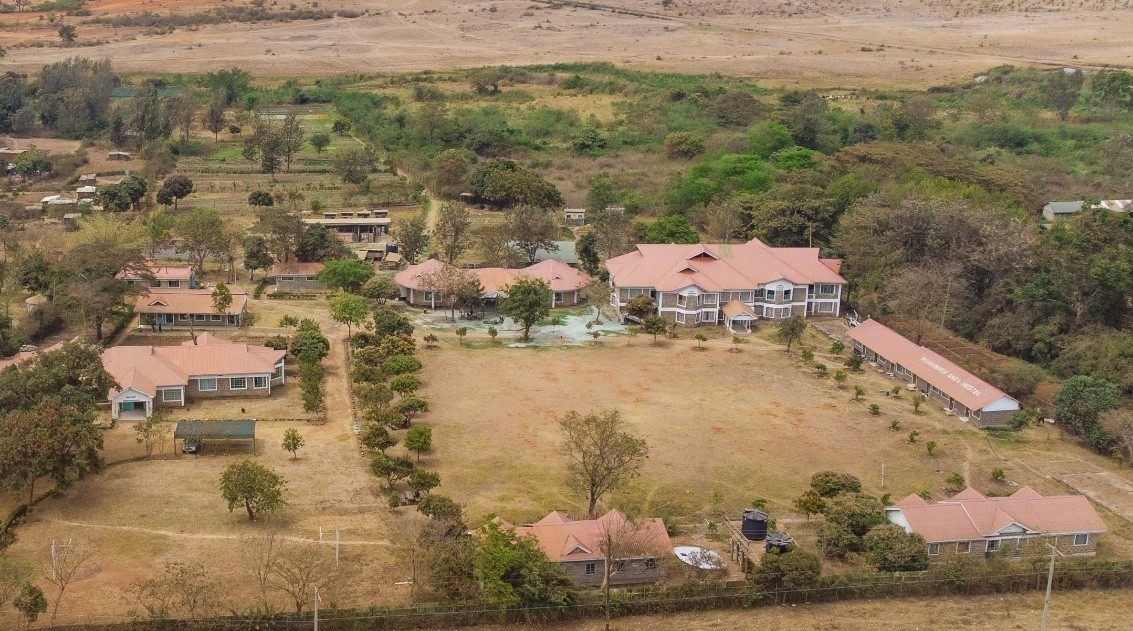
Many of the students originate from low income families. As such many are not able to meet full costs for their tuition fees.
While SACDEP oftenly finds itself without enough funds to support students through the 2 year course.
Hence a scholarship programme exists. You can get more information on the college website: www.csaea.or.ke
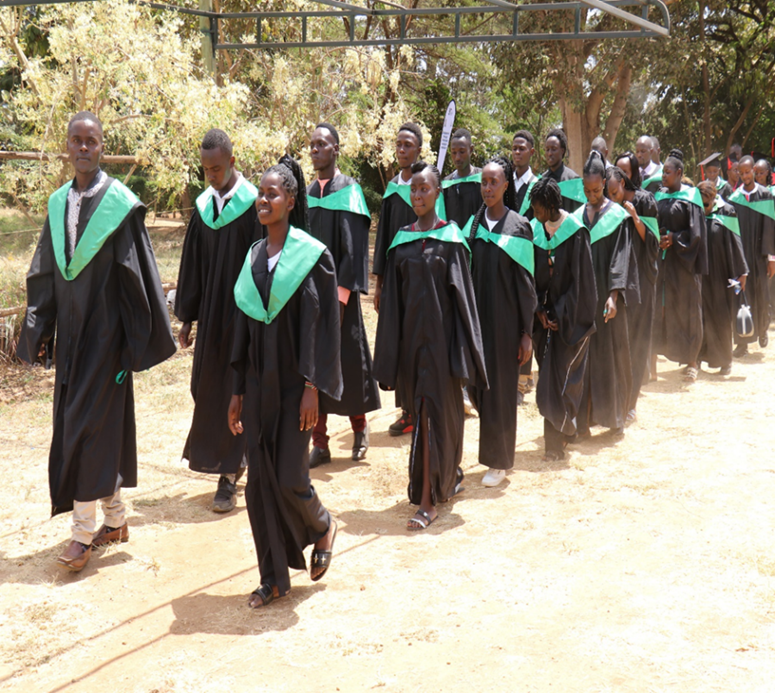
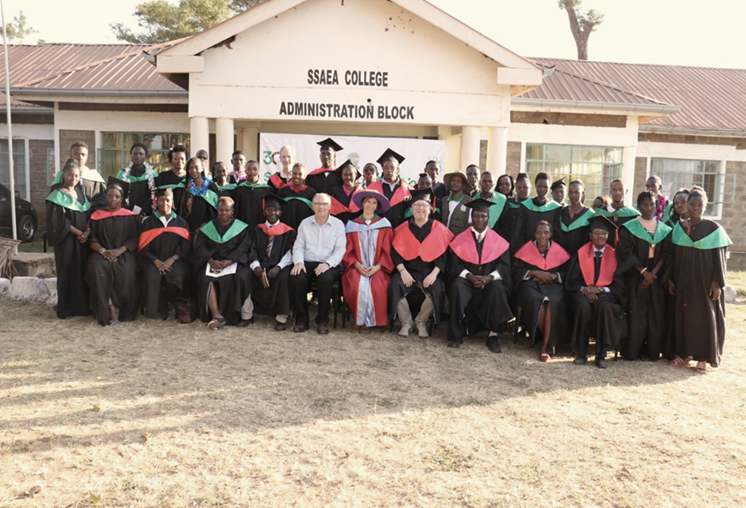
The 1st Graduation in the college took place in 2024 after the set 2-year training programmes
The ceremony was attended by SACDEP’s development partners, among them was GLS Future Foundation for Development Germany
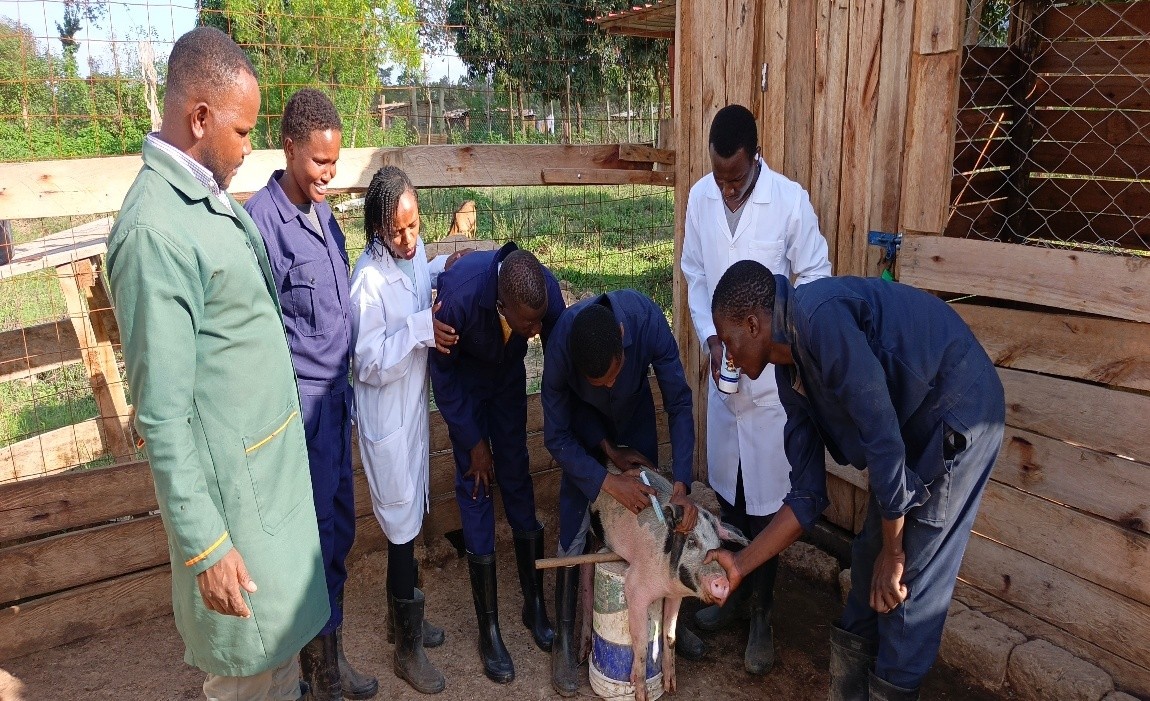
Within the training curriculum, students are given wide training in the theory and practice of S.E.A. The course covers practical and theoretical instructions at a 60:40 ratio, respectively. Such in livestock Management, in soil and water sciences.
In livestock, training is provided in feeding, disease and parasite control
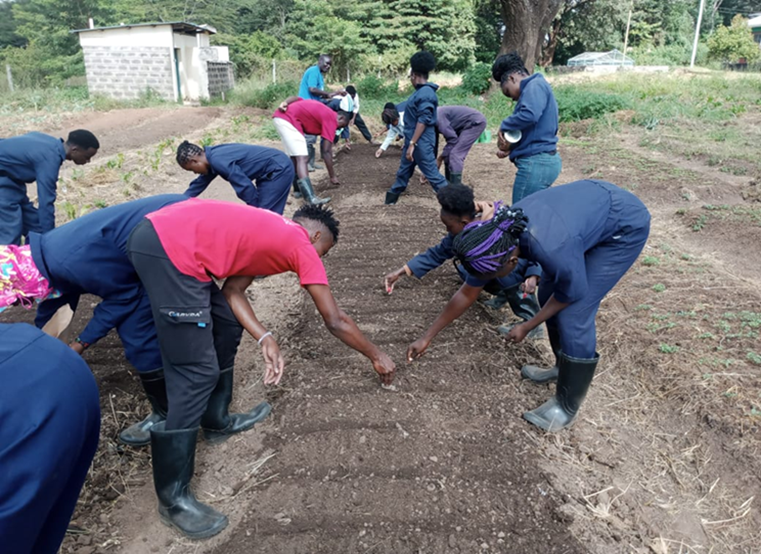
Students are also trained in the science on Natural soil fertility. Then, on crop production all the way to post-harvest loss management.
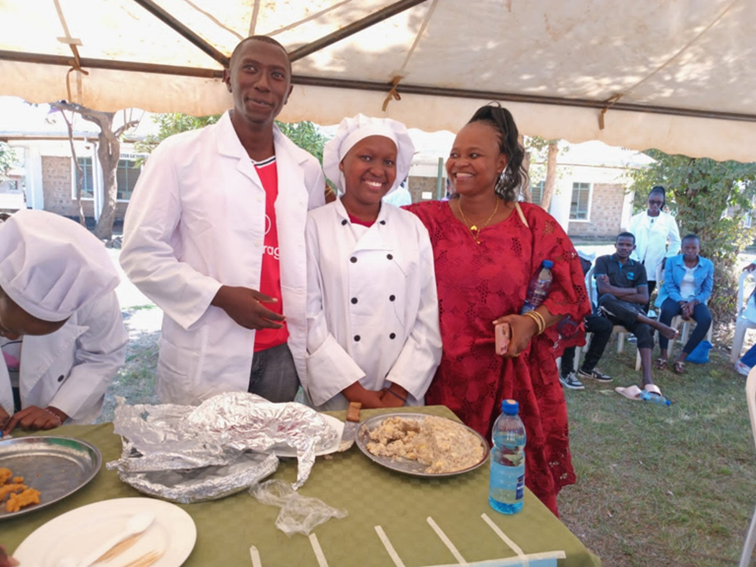
In CSAEA, college students are trained not only in growing crops and livestock production skills. They also receive practical training in food and nutrition technology
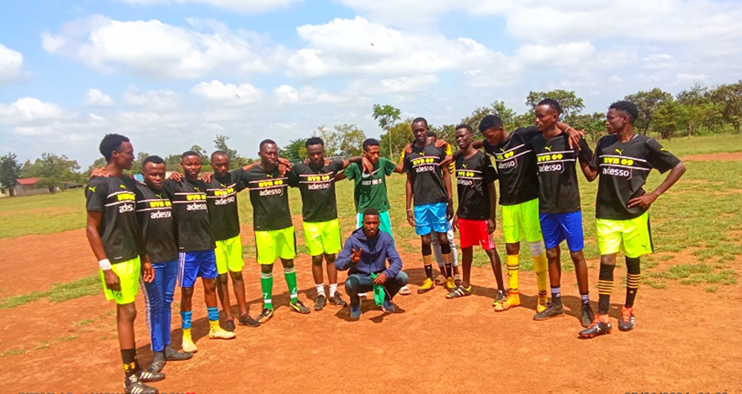
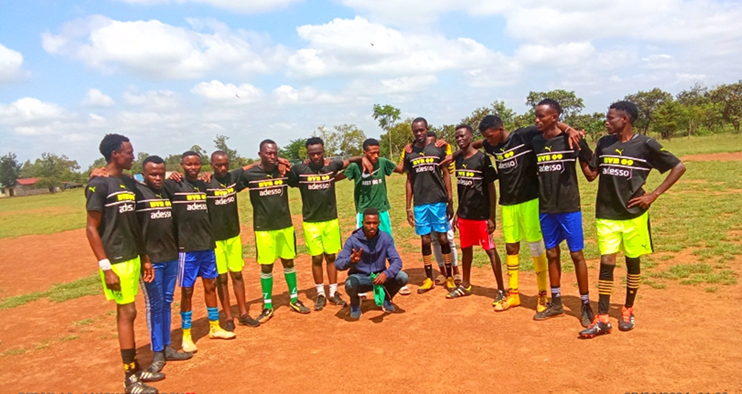
For health and well-being, students also engage in sports. The college has a wide variety of sporting and other empowerment clubs. They include football, basketball, volley ball, Netball and athletics.
Other societies and clubs are young Christian society, Catholic Action.
Debate clubs, Journalism club and Environment adventure.
SECTOR: AGRICULTURE AND DEVELOPMENT TRAINING AND CONFERENCE CENTER ADTC THIKA
Conference facilities offered at SACDEP provide a conducive space for serious learning.
SACDEP raises funds to initiate and implement programmes and projects. As expected there are times whose funding gaps are experienced.
To cover the gaps SACDEP runs a conference center in Thika Town. Surplus incomes are ploughed back into the Community Development programs
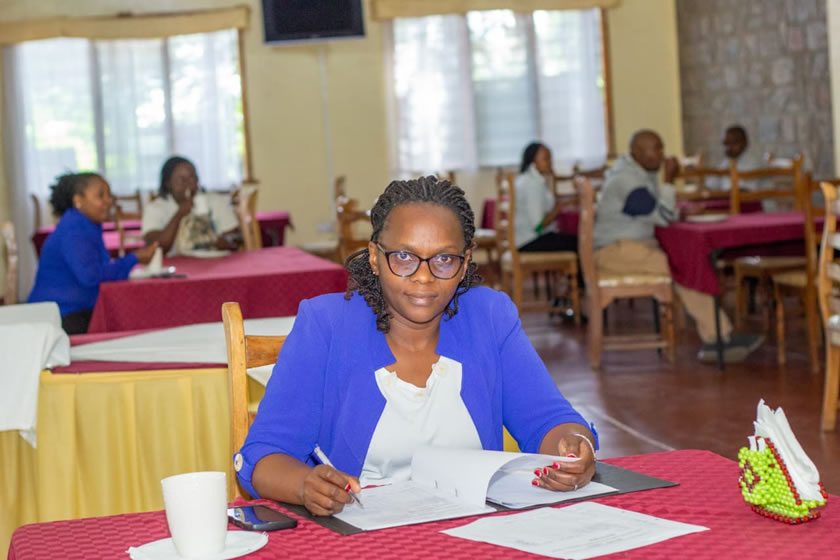
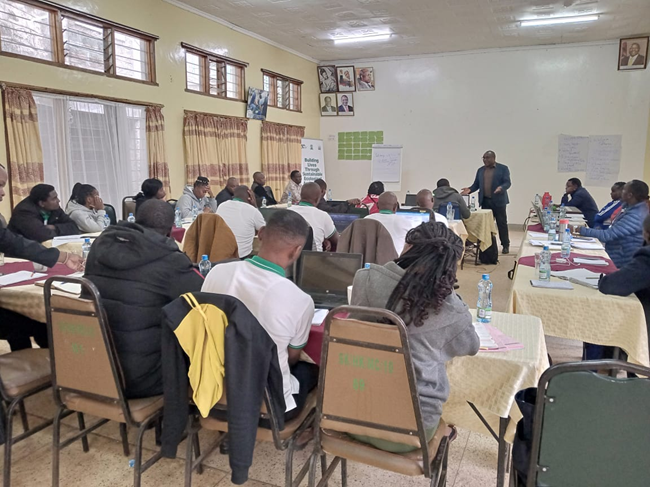
The conference center has a variety of venues conducive for learning, hosting farmers, youth, corporates, development institutions, religious groups e.t.c
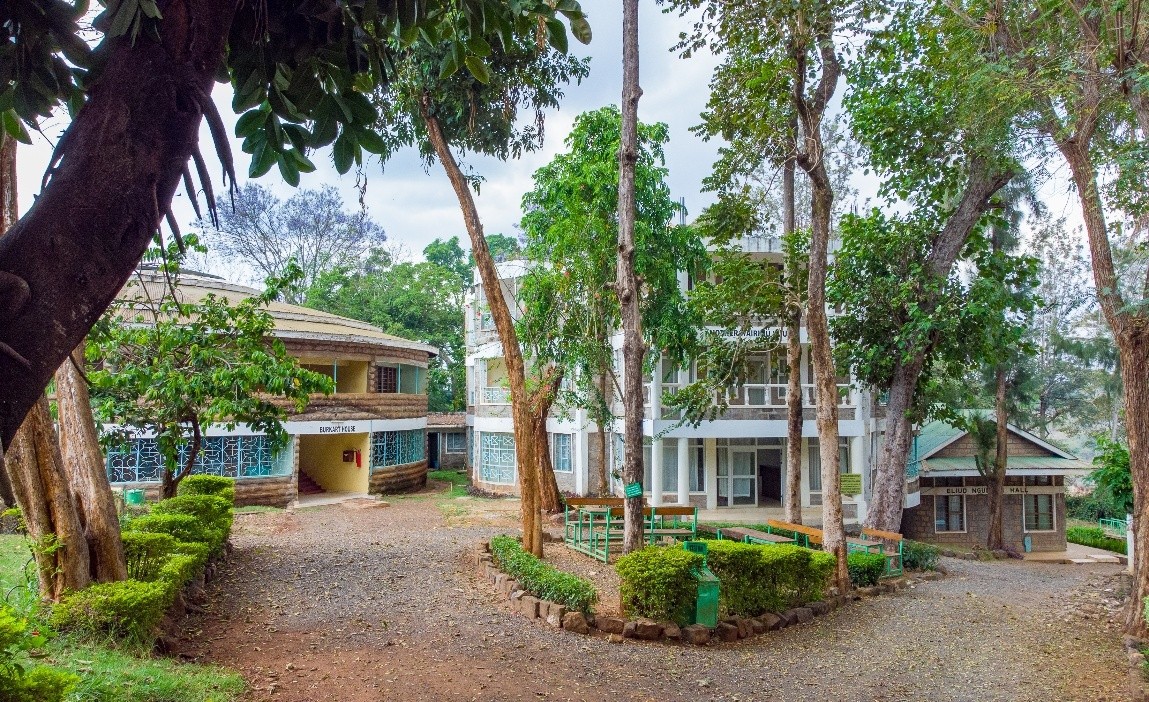
The center accommodates conferences within 72 self-contained rooms
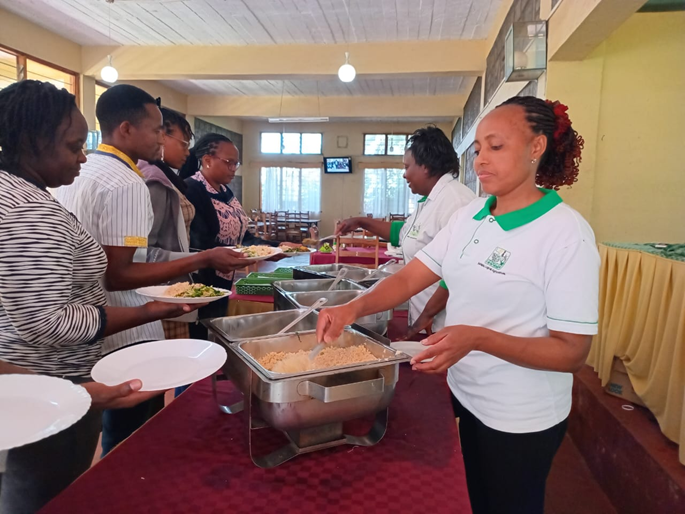
In the training center food provided is received from small holder farmers who have been trained and certified by SACDEP as achievers of the organic standards
SECTOR: THE FINANCE AND RESOURCES
SACDEP runs its financial management systems using international standards. The organization conducts external audit and publishes audit reports to the mandatory government and funding agencies.
Funding organizations receive copies of financial and narrative reports as per funding agreements and SACDEPs finance policy.
The NGO board also receives audited financial statements annually as per the statutory requirement.
The sector also ensures that the organization complies with donor regulations and requirements as well as government regulatory requirements.