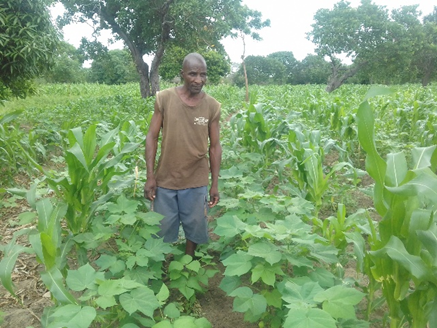
SACDEP as an Organization
Sustainable Agriculture Community Development Programme – SACDEP Kenya
The Pioneer and leading Institution in the development and mainstreaming of Sustainable Ecological Agriculture (S.E.A) in Kenya, East Africa and Africa.
SACDEP as an Organization
SACDEP as an Organization
Sustainable Agriculture Community Development Programme – SACDEP Kenya
The Pioneer and leading Institution in the development and mainstreaming of Sustainable Ecological Agriculture (S.E.A) in Kenya, East Africa and Africa.

In the year 1993, SACDEP Kenya set up its head office in Thika, Kenya. It is at the Head office that the organization also runs a Sustainable Ecological Agriculture demonstration sites.
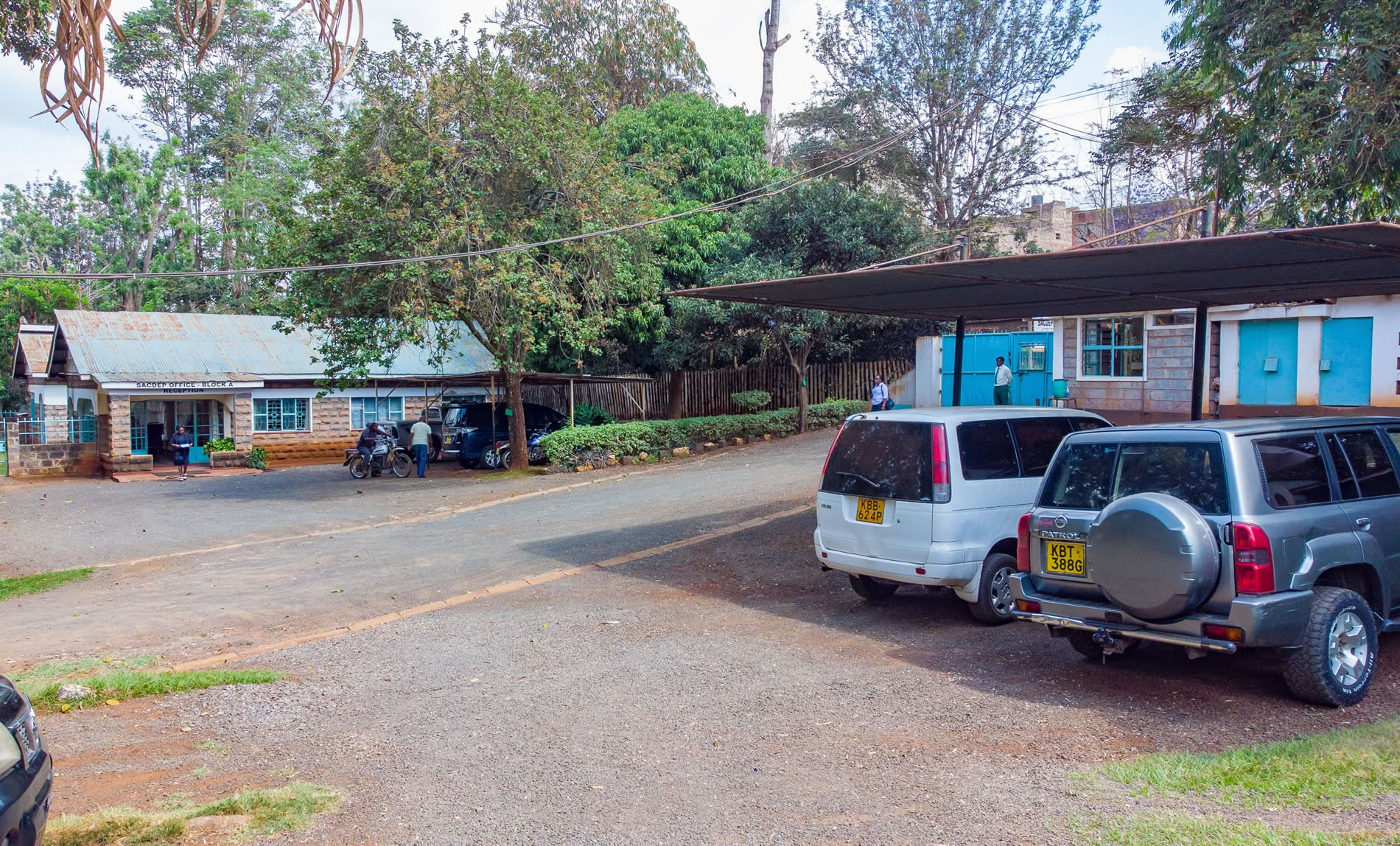
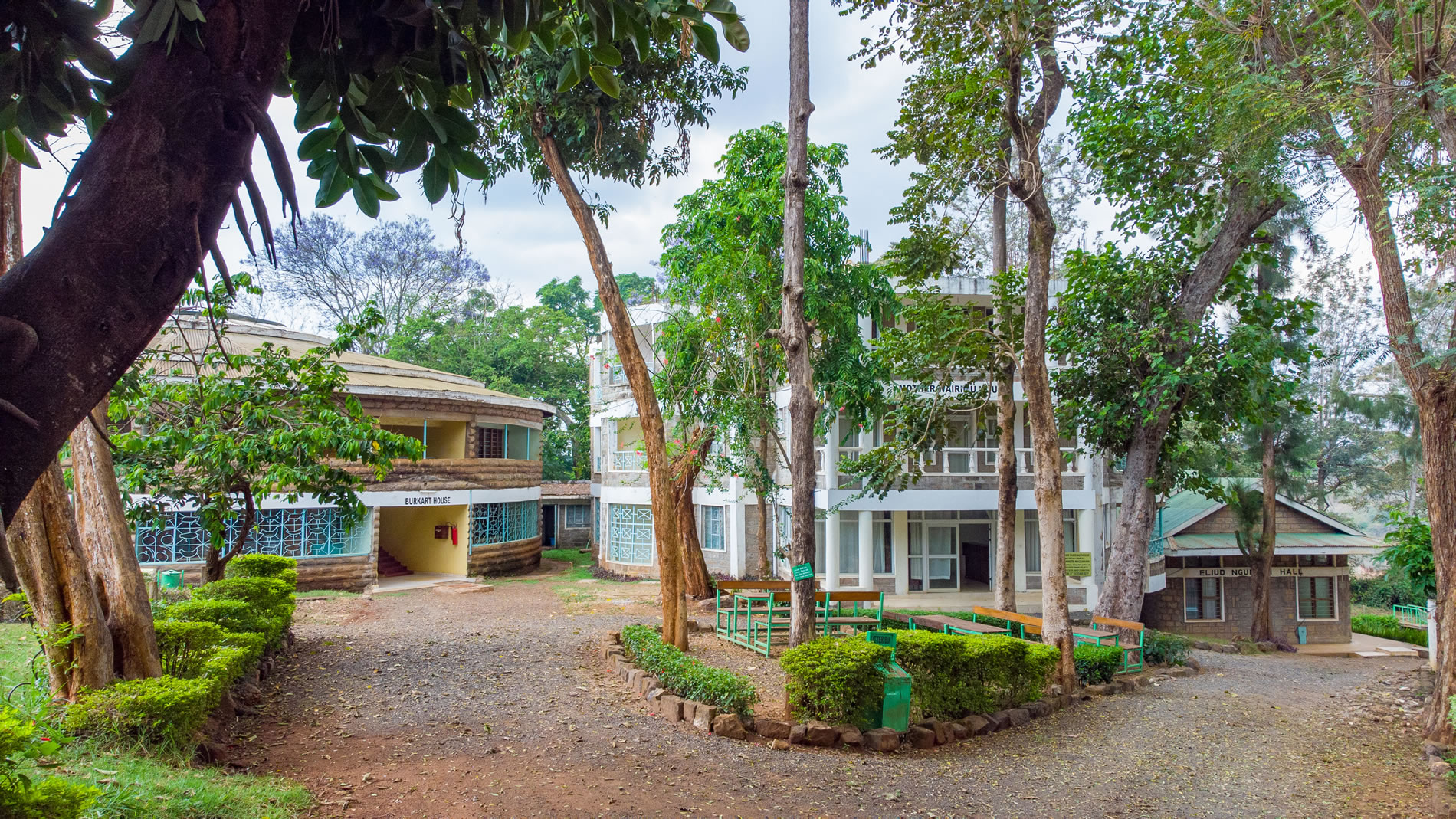
At the head office in Thika, SACDEP runs a training and conference center.
The center can host 72 persons in self-contained rooms. There are also training halls, group discussions, outdoor sheds and organic gardens.
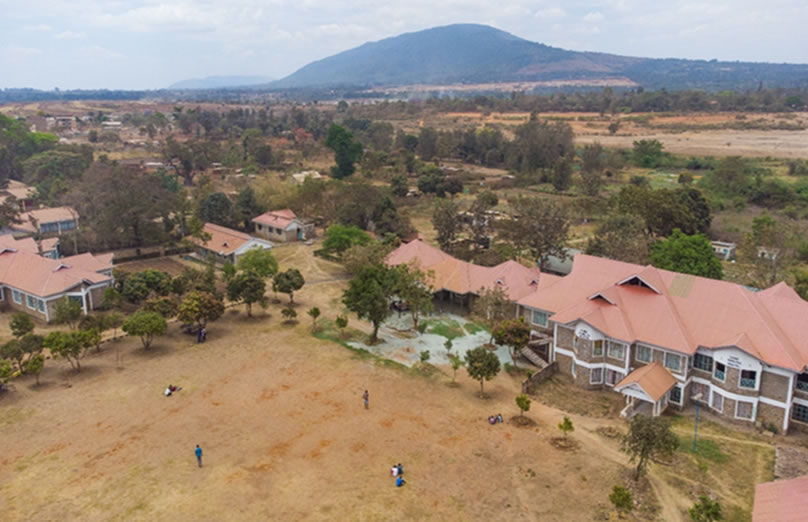
In Kilimambogo, 17km East of Thika, there is also the college of Sustainable Agriculture for East Africa started in 2022. Youth are trained at Craft Certificate level in Agribusiness skills for employment creation.
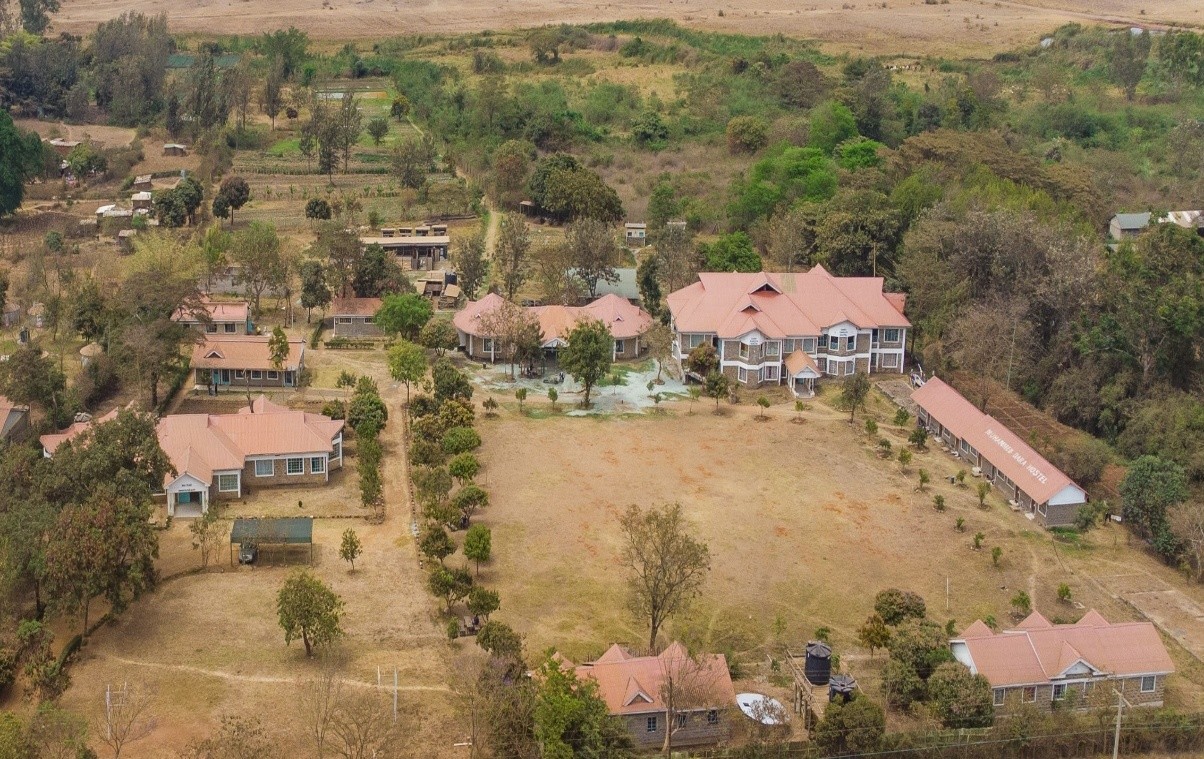
The college runs a 2-year craft certificate course. The training is designed to provide 40% theory and 60% practical instructions.
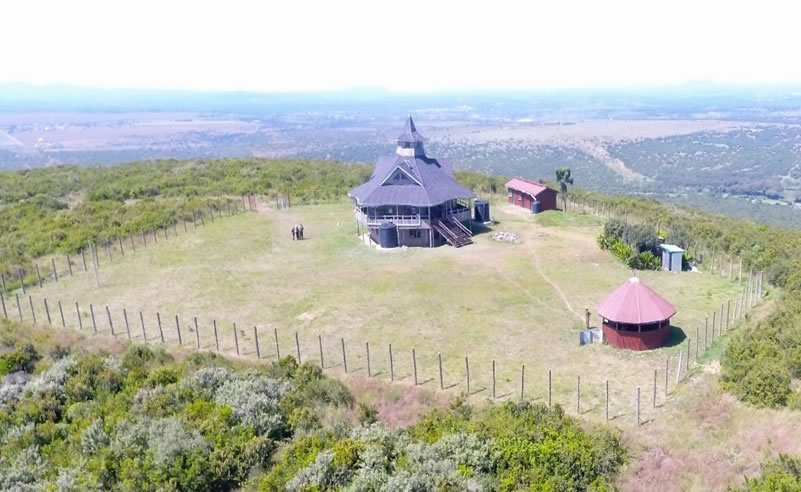
The organization further runs an Environmental Education Programme for Schools and Youth. This is on Lusoi Hill in Laikipia County.
Lusoi Hill is situated mid distance between Mt. Kenya and the Aberdare Ranges in Central Kenya. The programme is known as Schools and Youth Environment Conservation Action – SAY – ECA
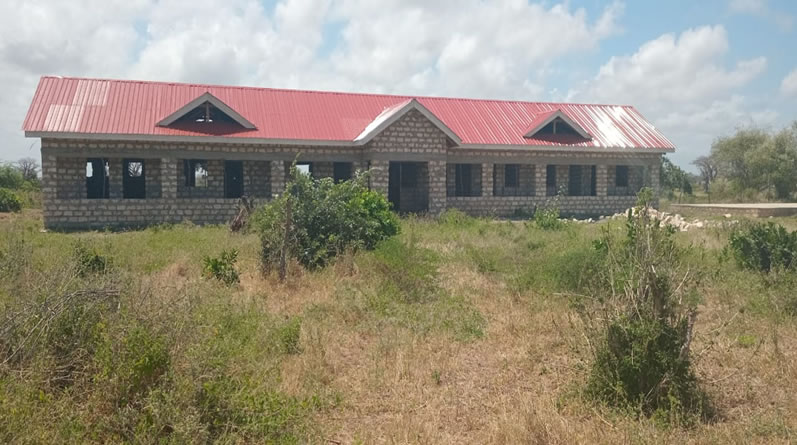
In Kilifi County, Kenyan Coast, region SACDEP is constructing a Youth Skills Development Center. The site is Gongoni area of Malindi Sub – County
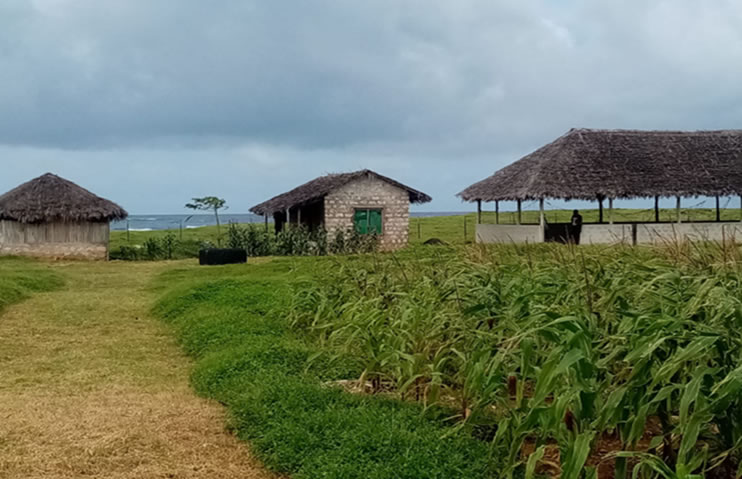
The organization also runs a Kilifi Youth Skills Development Center. This helps deep-sea helps deep sea fishermen have a fish landing site. The fish preservation and marketing
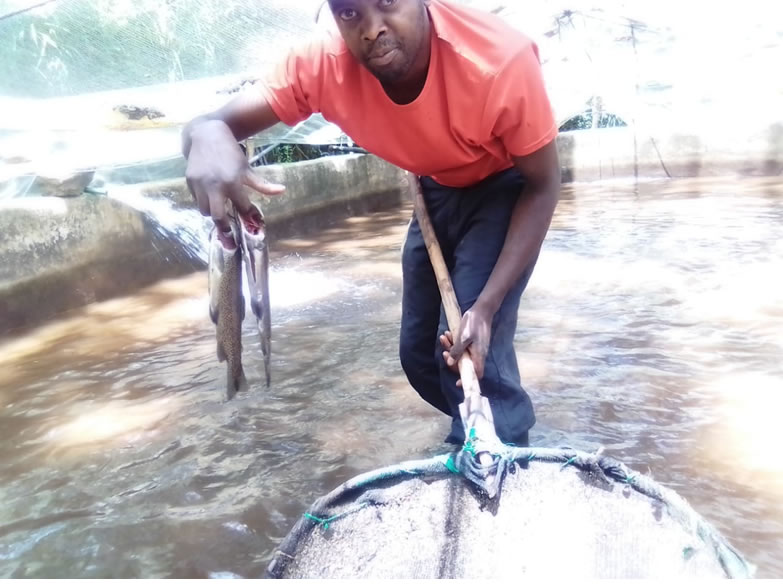
In Eastern Aberdare Forest, SACDEP runs a training center on Nature conservation and Trout fish rearing. The Center produces Trout fish for learning purposes while serving as a source of trout fish fingerlings for farmers adjacent to the forest.
SACDEP’S DEVELOPMENT PHILOSOPY
SACDEP Kenya has accumulated a wide experience in changing lives through empowering families in food, nutrition and agro income security.
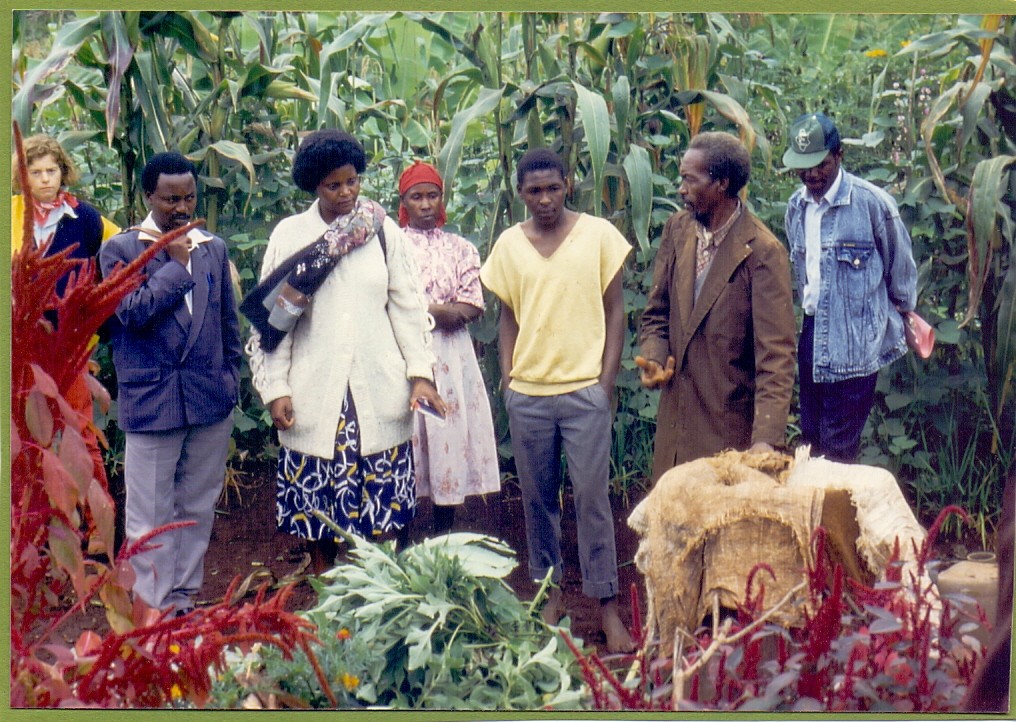
The Organization started work in the year 1993. For the past 31 years, SACDEP has expanded work in Sustainable Ecological Agriculture (S.E.A) work among communities in Kenya reaching 145,000 families by year 2024. Total number being 435,000 people.
The families have obtained Food, Nutrition and Agro income security on a long term basis
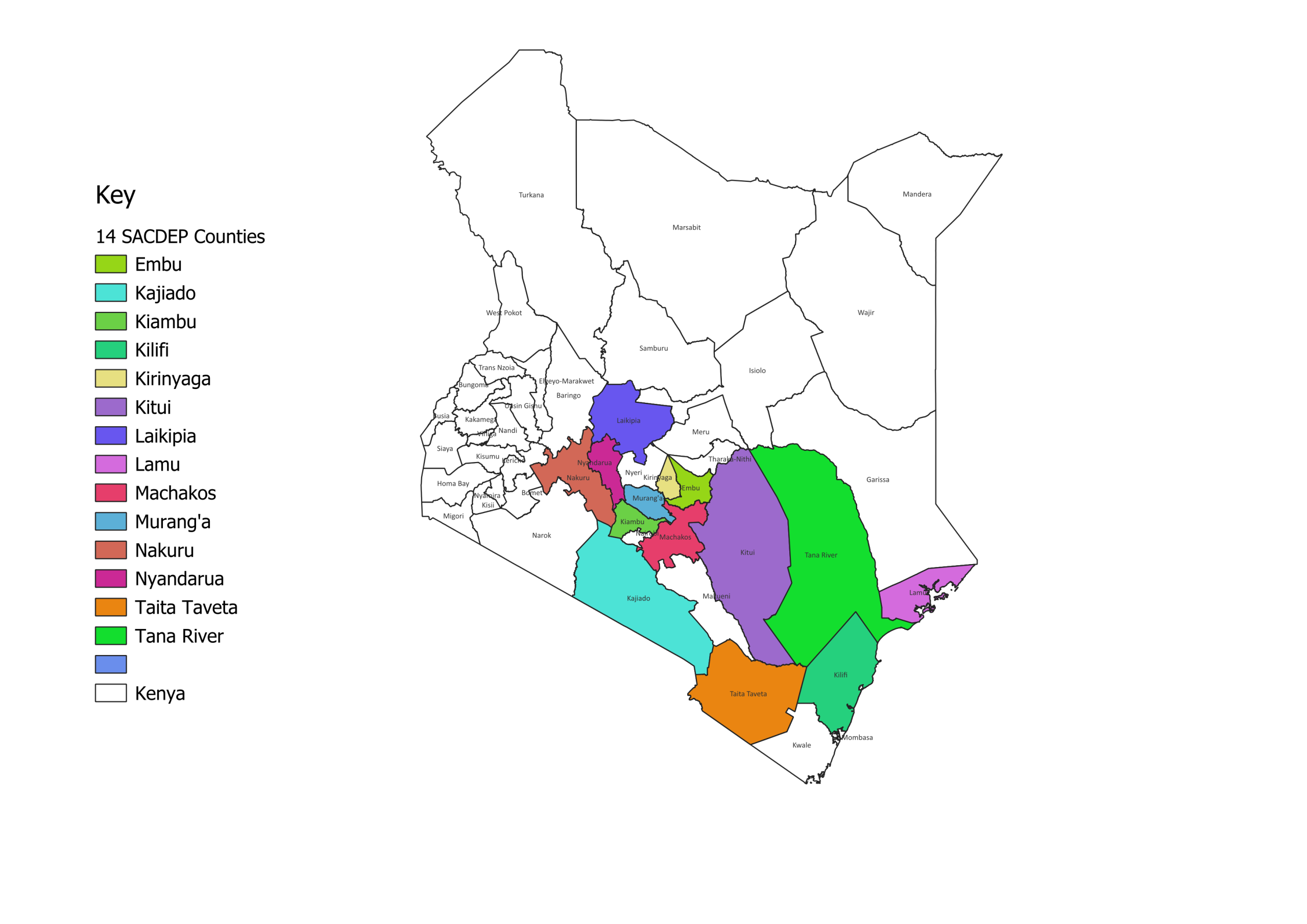
There is no developed and underdeveloped world. Only a badly developed world (Ngugi Mutura 1993)
Historically, some regions have had more access to productive resources than others. Same for development skills and opportunities among the people
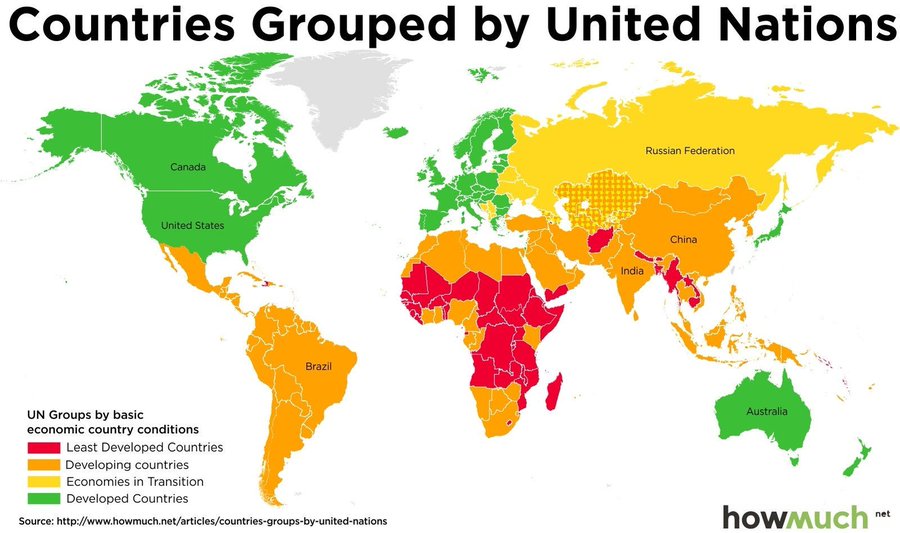
Poverty is as a result of bad distribution and access of resources.
The resources would be Natural, skills and knowledge, materials, equipment, human among others.
In agriculture the resources are land, water, inputs (seed, livestock), knowledge, skills, roads, markets e.t.c
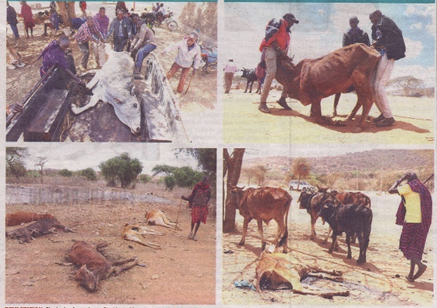
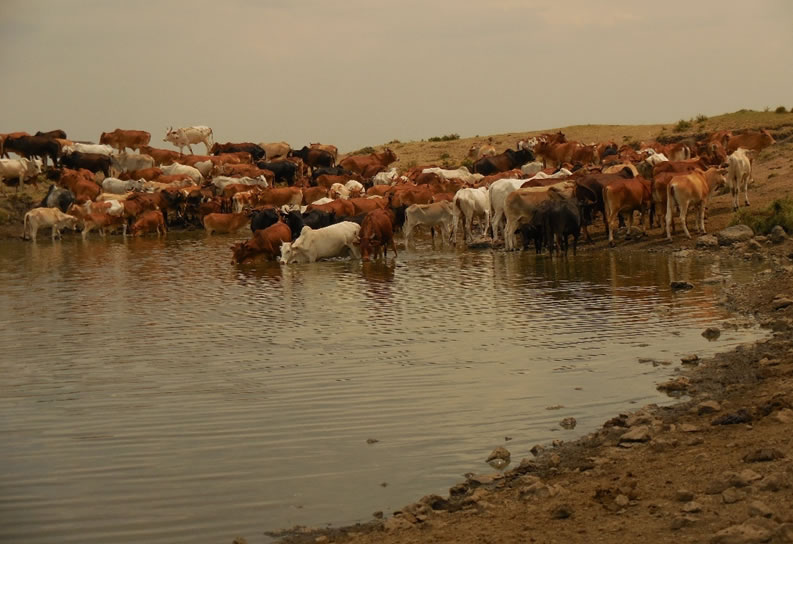
In the livestock sector, in the dry lands, interventions are made to reduce livestock deaths during drought periods.
In Kenyan Rangelands there exists a cyclic drought phenomenon where dry spells occur every 4- 5 years.
During these periods, pastoralists families loose up to 70% of the herds. It takes the families more than 4 years to build the herds back.
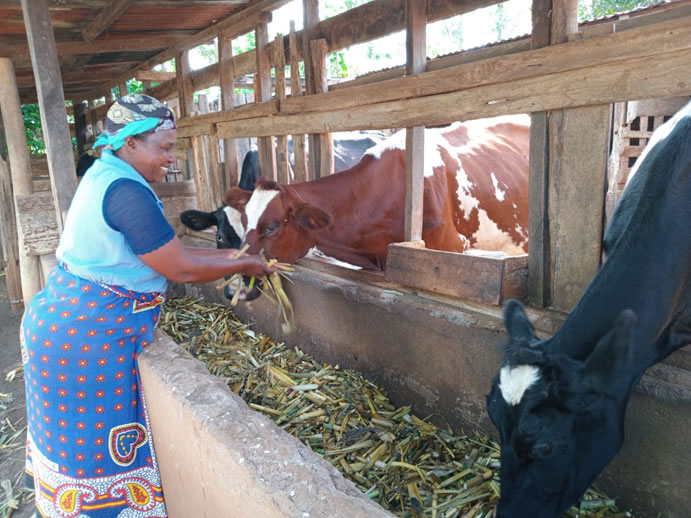
For farmers in high rainfall regions, zero grazing methods are used for dairy production enterprises
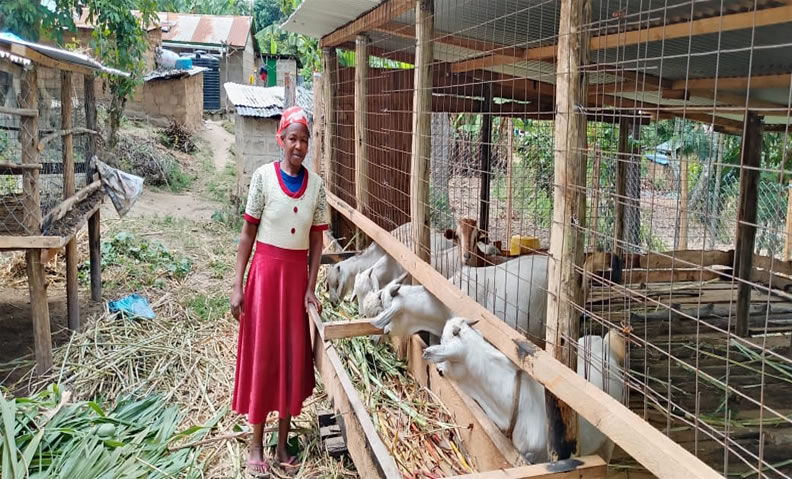
On small animals, farmers receive skills development through training in Dairy goat and dorper sheep programmes
In pastoralist areas SACDEP runs programmes that enable livestock keepers increase their resilience on negative effects caused by recurrent Droughts.
The Programmes include skills in improving of breeds, pasture grazing, disease control, excavation of water pans and matters of mitigation against negative effects of Climate Change phenomenon
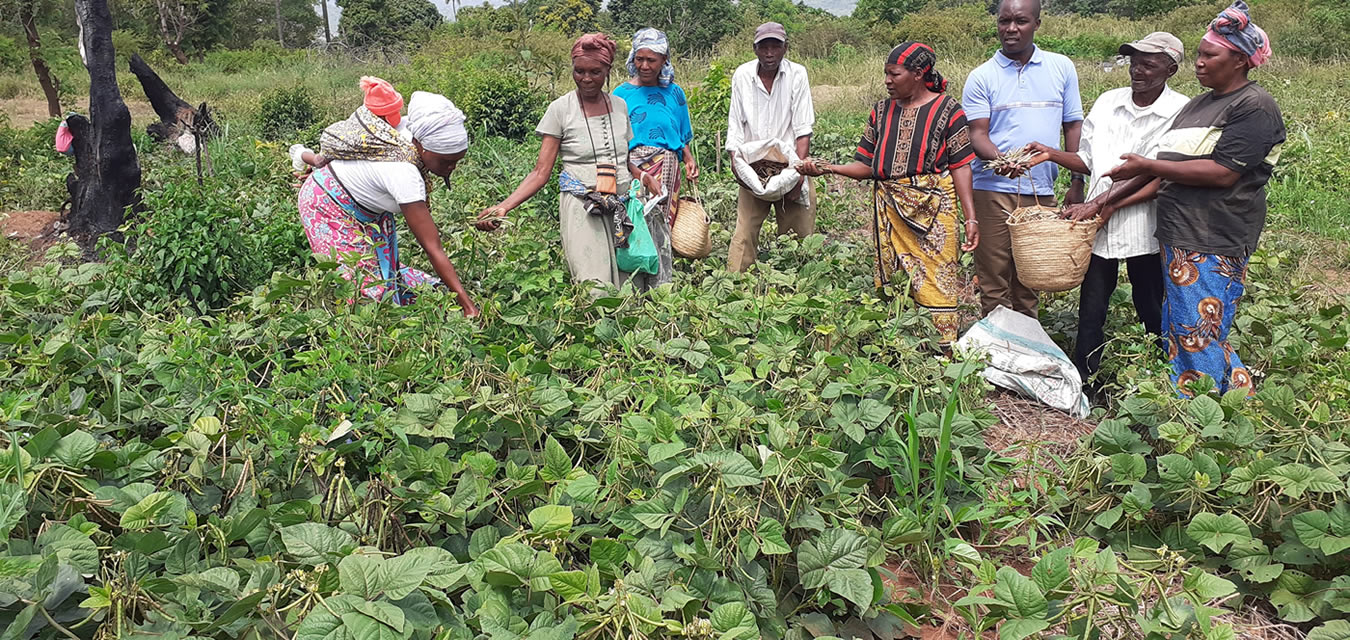
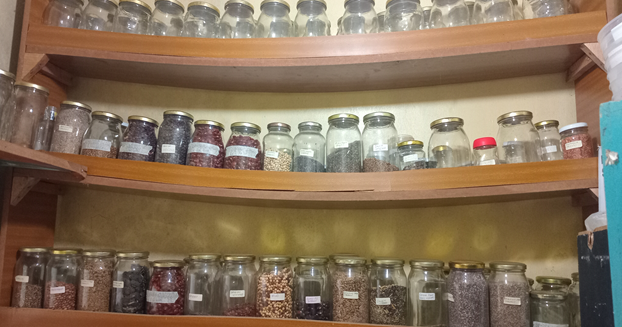
In the Agriculture industry, availability of seed and planting material is paramount. In Sustainable Ecological Agriculture (S.E.A) farmers are enabled to grow, select and store seed. Group members are able to access seed and planting materials and plant seed at the onset of rains.
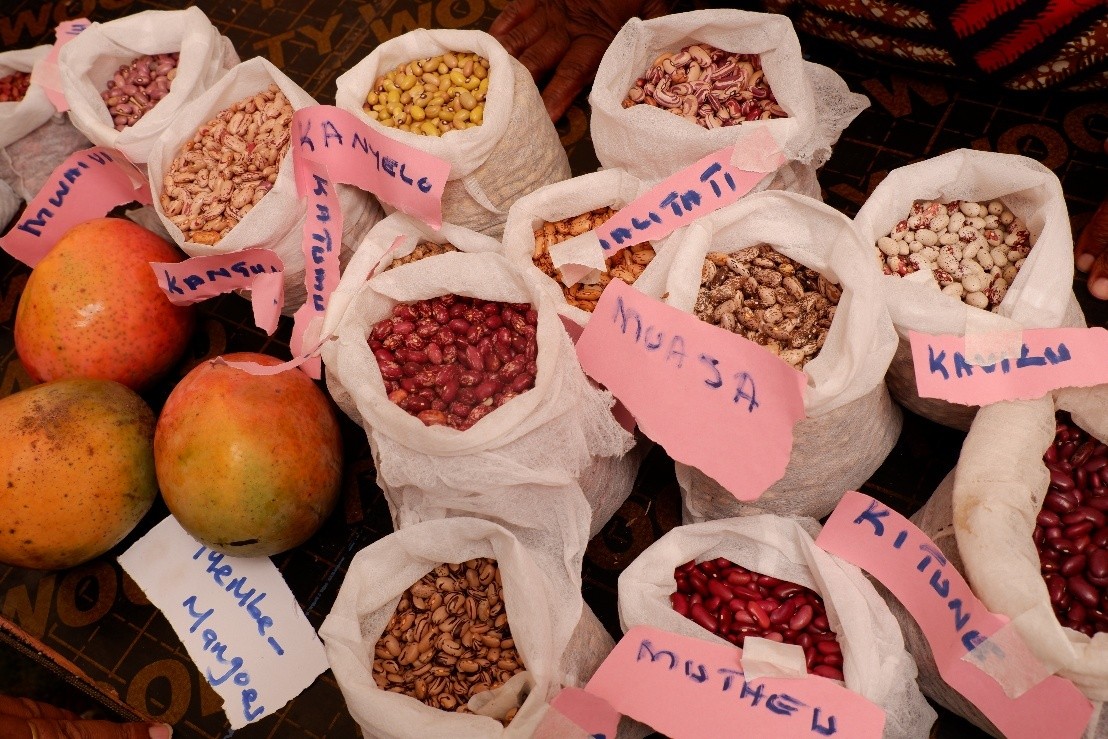
For smaller seed, farmers are trained on how to select, clean, treat, package and establish seed banks.
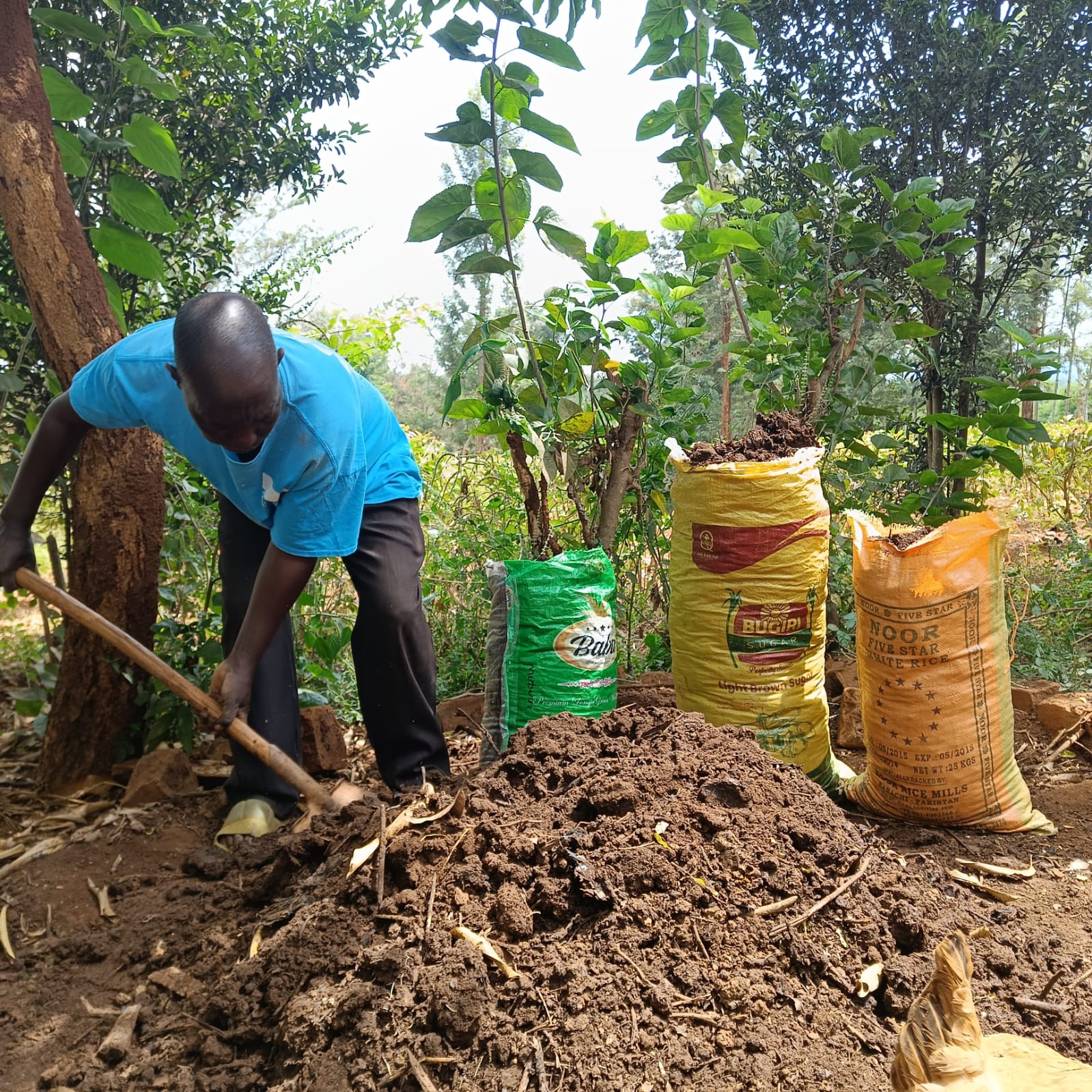
In Natural soil fertility, farmers are trained to make high-quality compost, also termed biological fertiliser (Bio-fertiliser). They use on own farms while selling surpluses to neighboring farmers.
Therefore, due to seed being readily available, crop producers are able to plant and grow farms using the right timing for seasonal rains.
85% of smallholders in Kenya practice rain-fed agriculture. Many misses planting on time due to a lack of ready planting seed